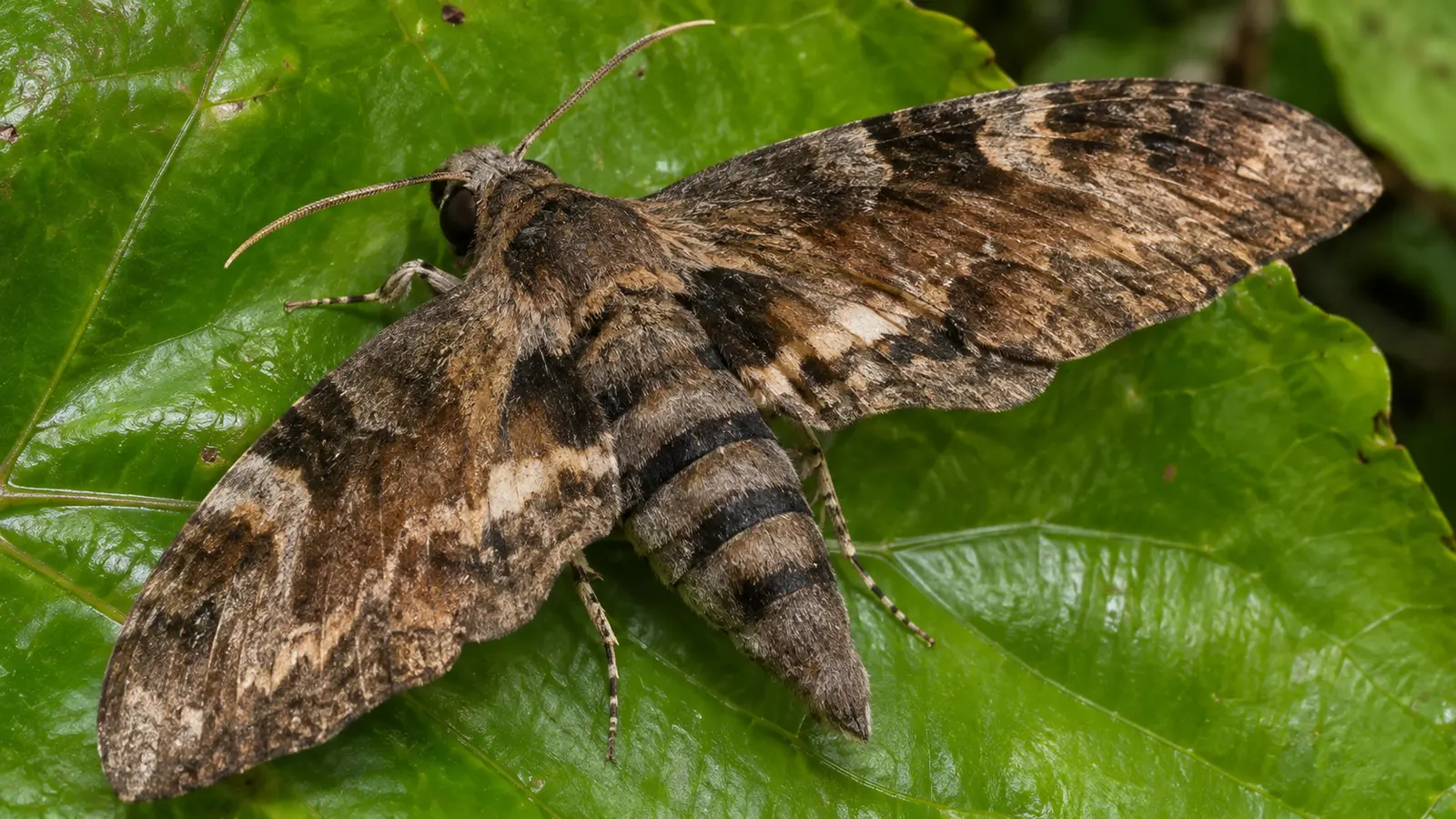
These Moths Make Ultrasound With Their Genitals to Escape Bats
Some hawkmoths produce ultrasound with specialized genital scales. A new study reveals three mechanisms and a defense that evolved repeatedly against bats.
Read more →
Some hawkmoths produce ultrasound with specialized genital scales. A new study reveals three mechanisms and a defense that evolved repeatedly against bats.
Read more →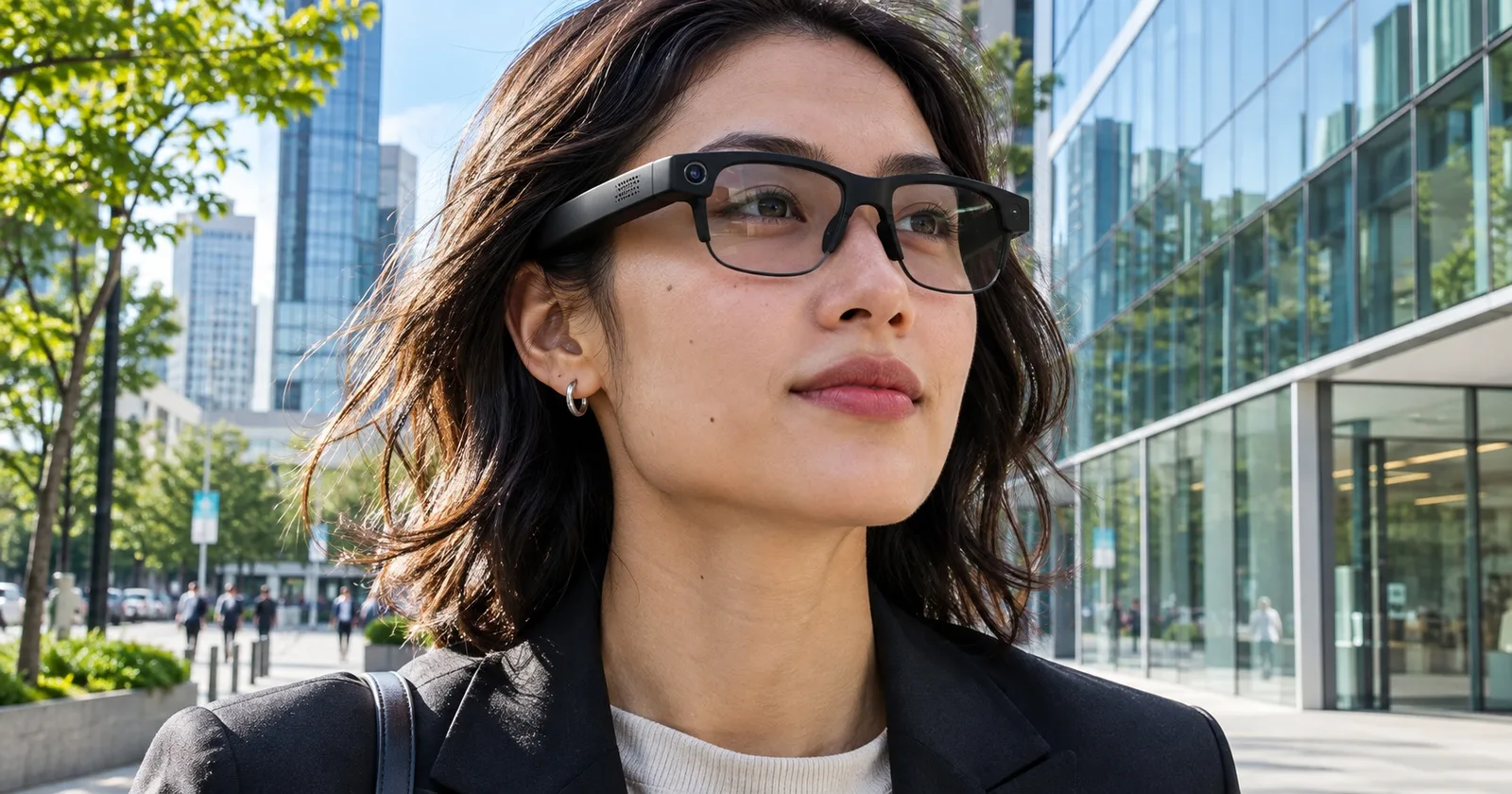
Samsung and Google’s AI smart glasses are reportedly opening preorders this week. Here’s what the new intelligent eyewear can do, how it works, and why it matters.
Read more →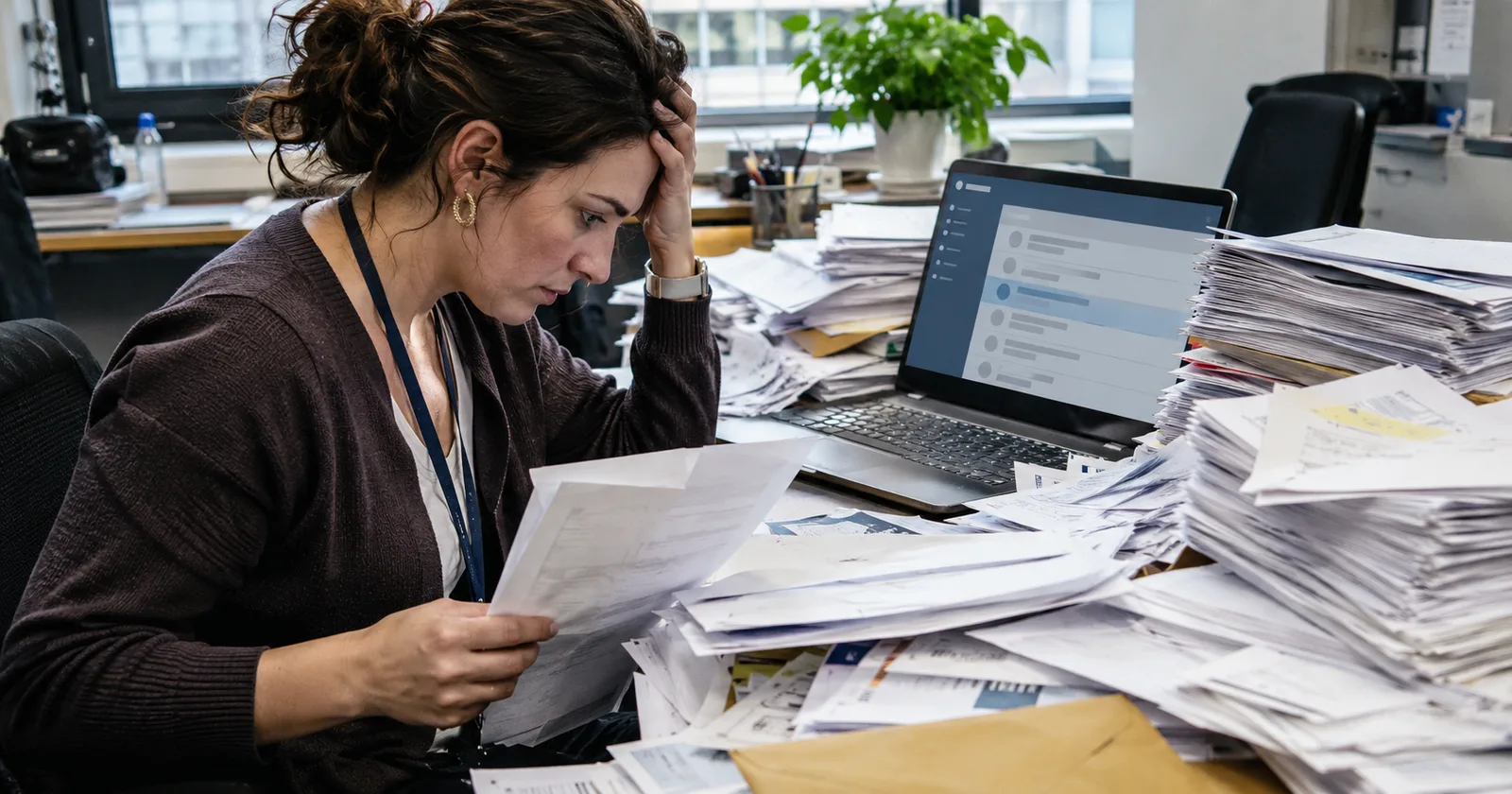
UK public offices face a new paperwork problem: AI-assisted complaints are quicker to write but can take far longer for people to process.
Read more →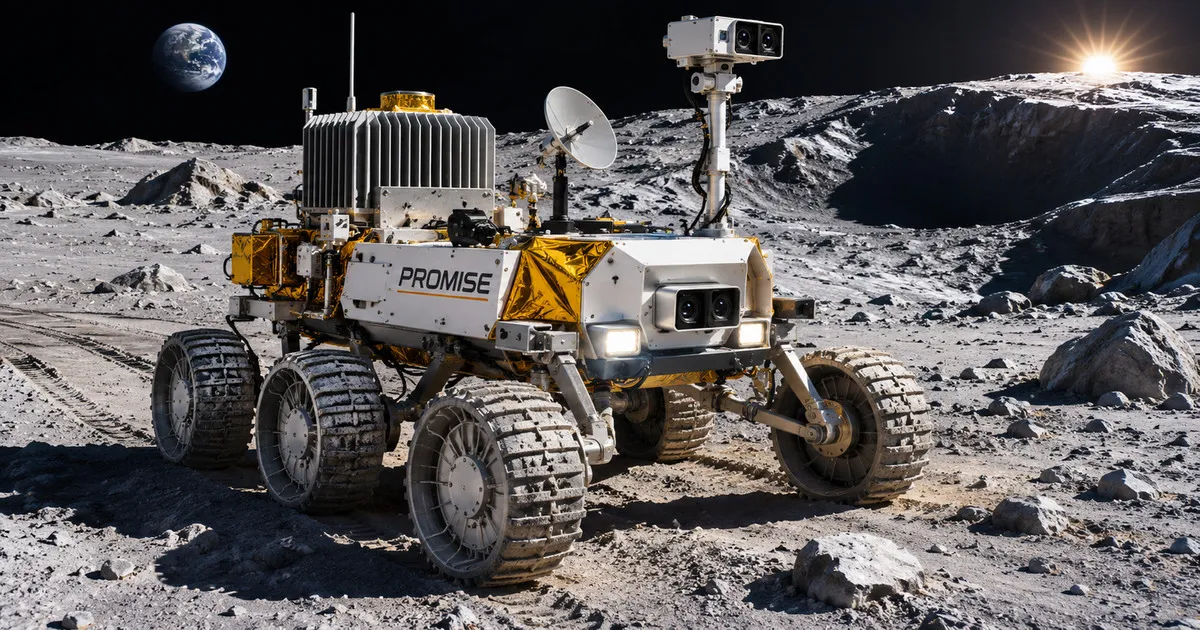
Meet PROMISE, NASA’s nuclear-powered rover designed to explore shadowed lunar terrain where sunlight cannot power a conventional robot.
Read more →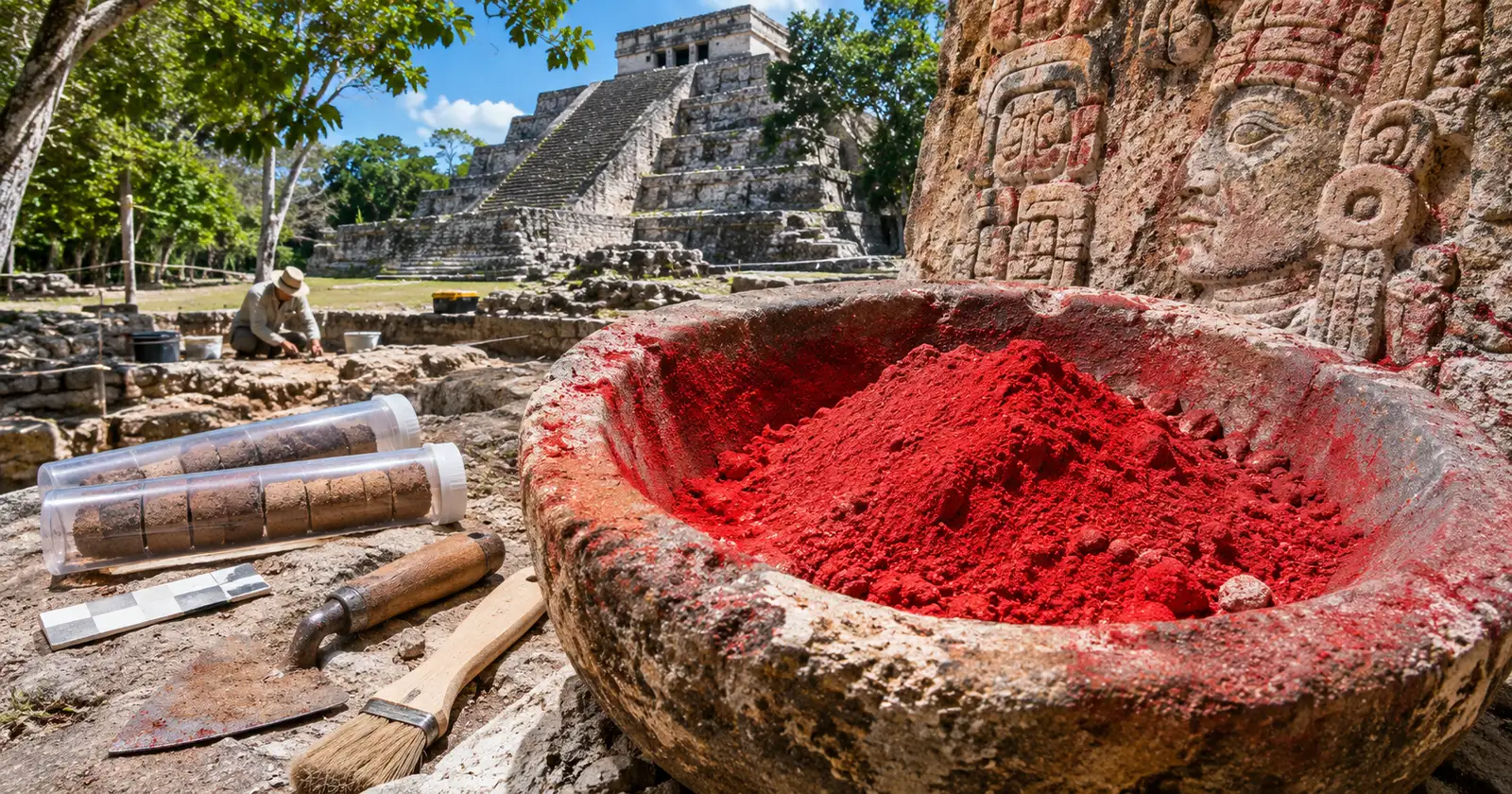
Sediment cores from two Yucatán lakes reveal mercury pollution linked to cinnabar and clues to ancient ecosystem damage.
Read more →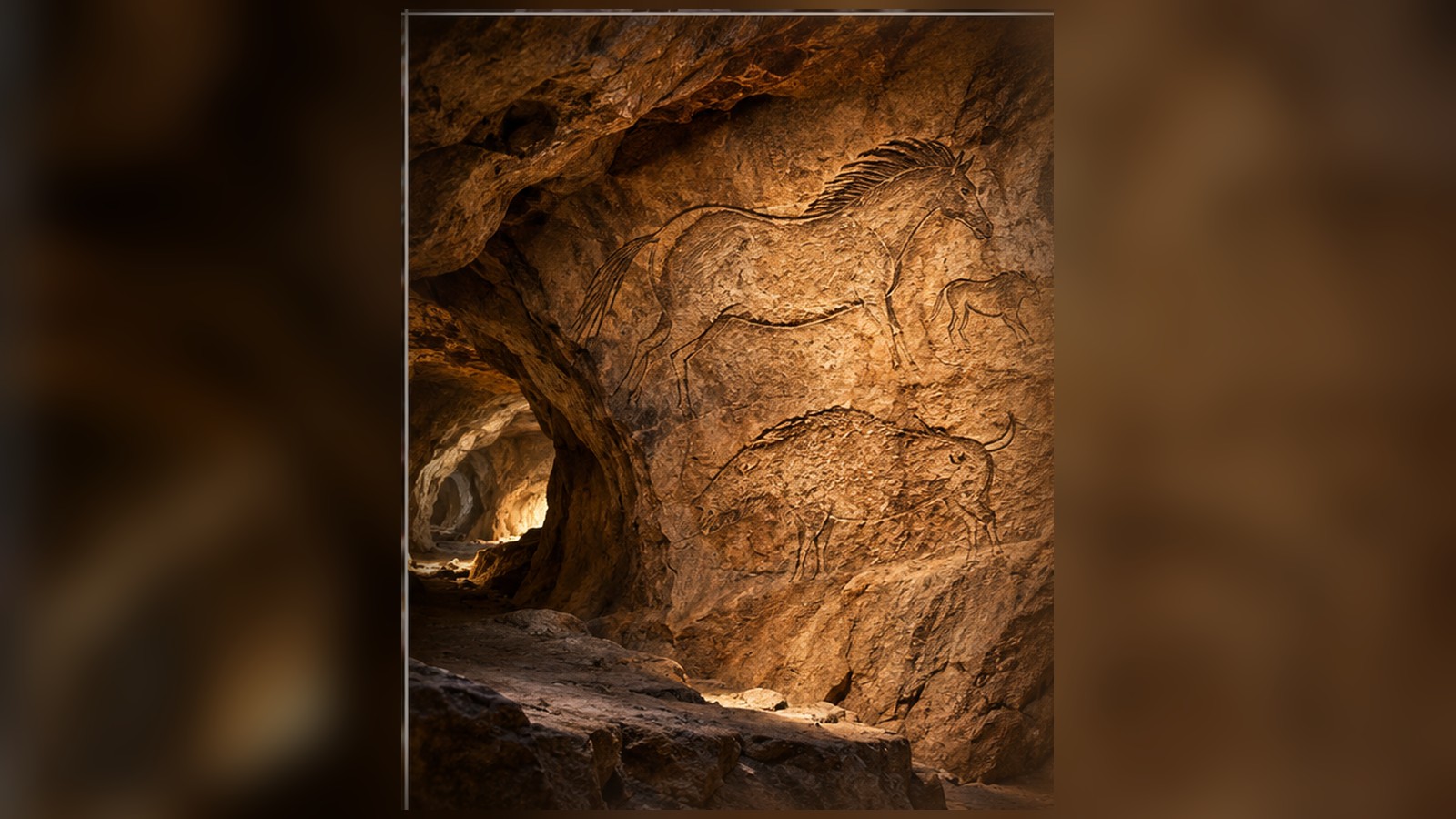
Researchers have documented 280 Palaeolithic motifs in Catalonia’s Cova de la Font Major — a cave visitors have explored for decades.
Read more →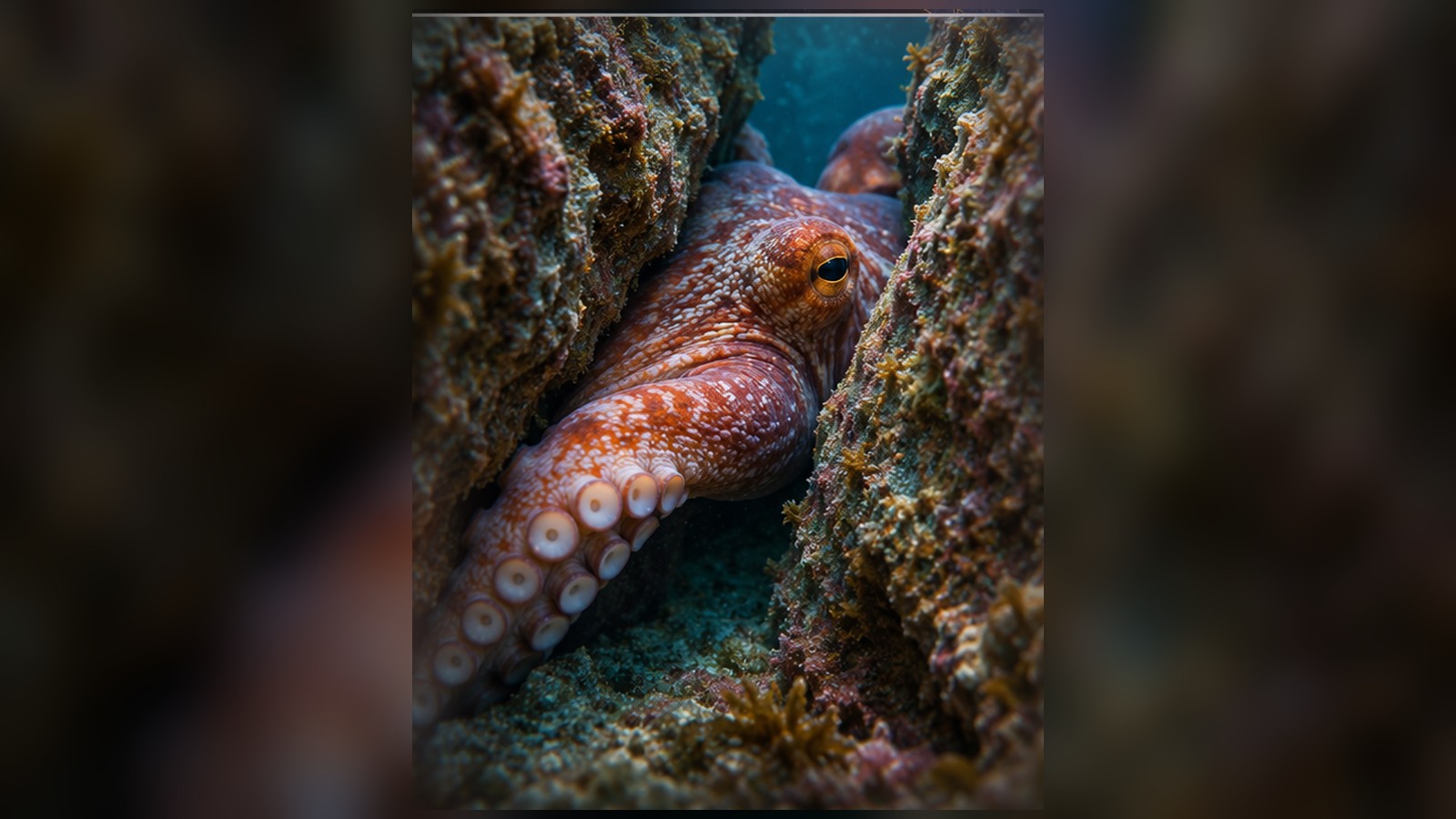
A new study reveals how common octopuses change their escape sequence when a gap becomes tighter — and why engineers are paying attention.
Read more →
Apple’s foldable iPhone has arrived. Beyond hinges and screens, discover why window management, app design and multitasking shape the real comparison.
Read more →
Grinding Gear Games has announced Path of Exile 2’s full release: six campaign acts, two new classes and an expanded endgame. Here is what is confirmed.
Read more →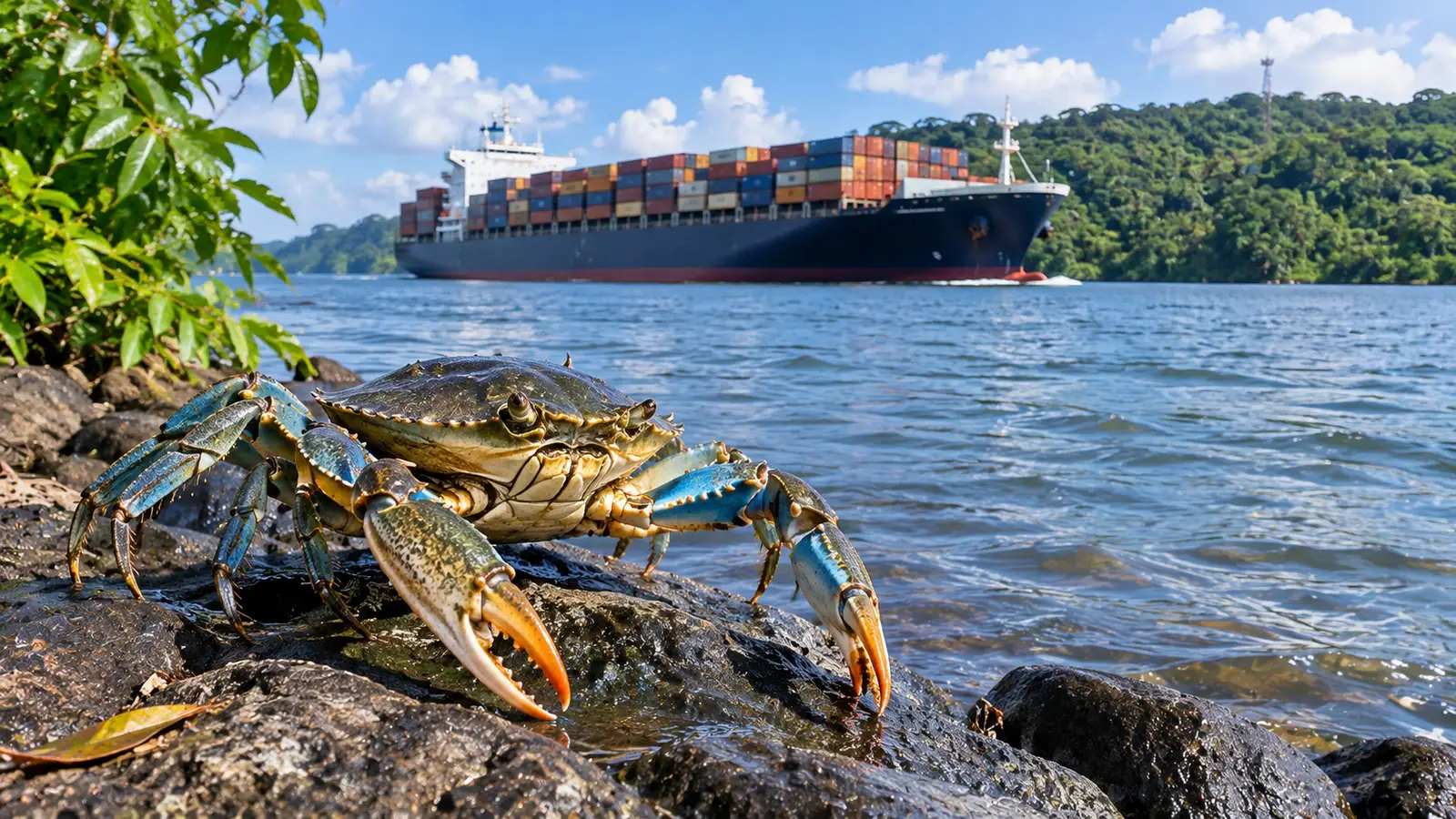
Fish from the sea now dominate scientific catches in parts of Panama Canal's Lake Gatun. Discover what is changing, how ocean species enter, and what scientists still do not know.
Read more →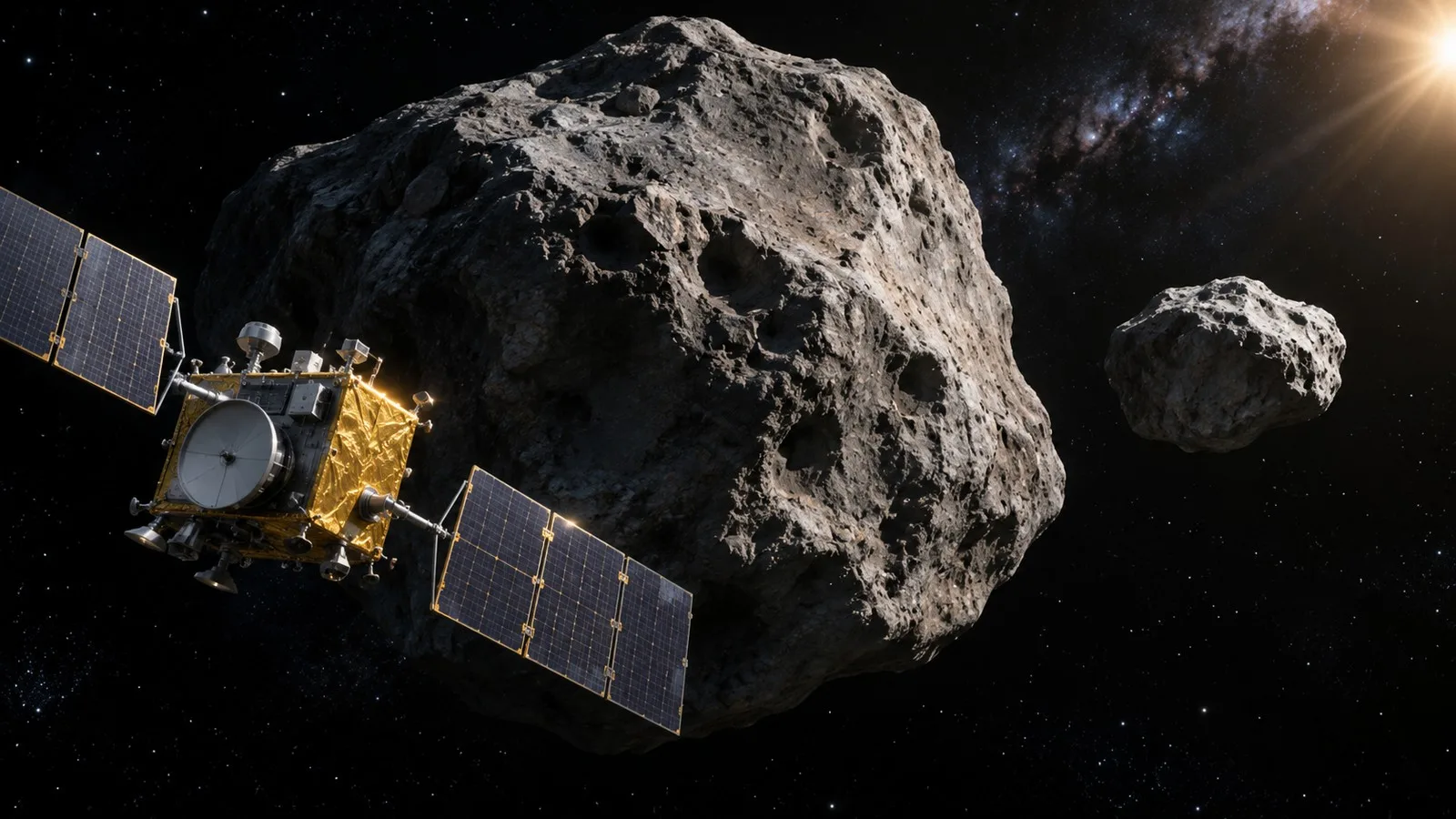
ESA’s Hera spacecraft has returned its first close-up look at the asteroid system struck by NASA’s DART mission. The real investigation is just beginning.
Read more →
Microsoft says Windows 11 multitasking is up to 40% faster in a specific 8GB test. Here is what changed in memory management—and what did not.
Read more →
AMD FSR 4.1.2 has reached Xbox developers. Discover how AI upscaling works, what the millisecond measurements mean, and why games must opt in.
Read more →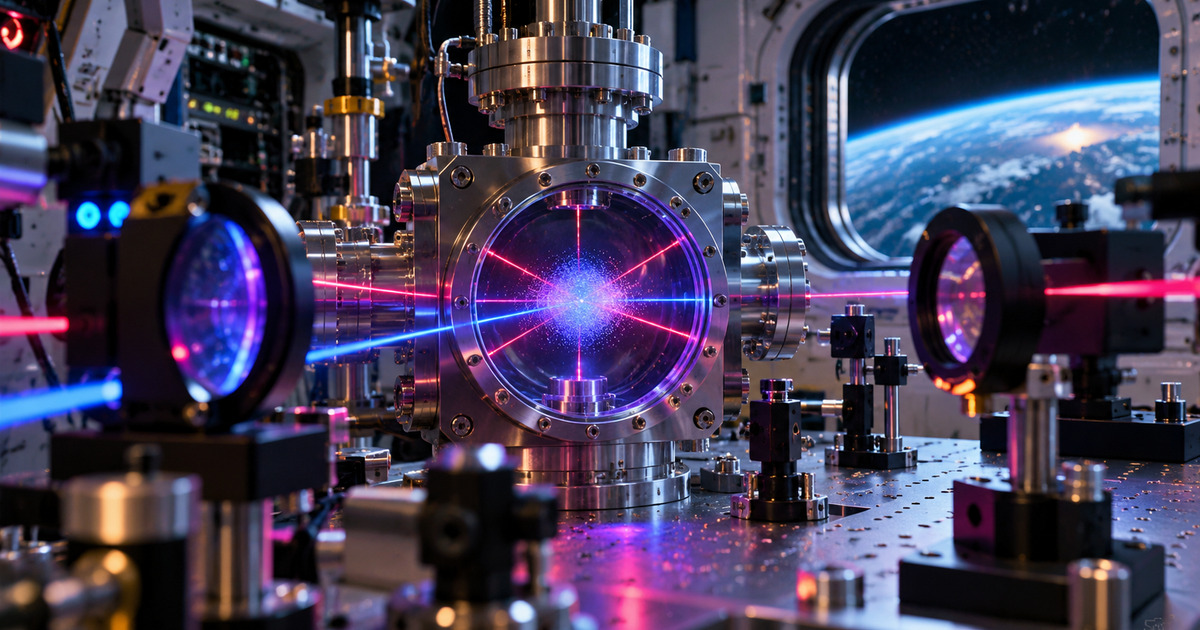
A Tiangong experiment reached an equivalent 9.7 picokelvin. Why seven seconds in microgravity could matter even more than the atomic cooling record.
Read more →
A study of 177 species finds widespread responses to human noise. Discover how sound affects growth, parenting and survival—and what the 80% figure means.
Read more →
Hydrogen chloride above Alba Mons and narrow fissures hint at lingering volcanism on Mars. Here is what the evidence shows—and what remains unproven.
Read more →
A salt-loving Earth microbe grew for 160 days under simulated Martian stresses. What does that reveal about life beneath Mars—and what remains unknown?
Read more →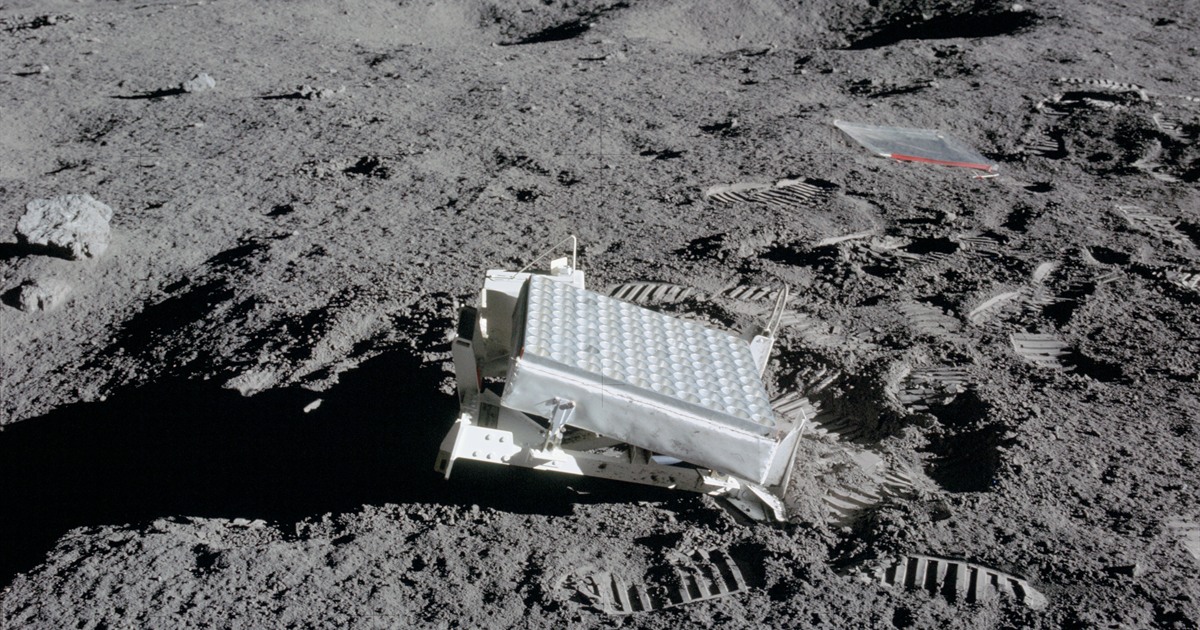
Apollo retroreflectors still bounce lasers back to Earth, measuring the Moon's slow retreat and testing Einstein's gravity.
Read more →
Marie Tharp mapped the ocean floor from sonar data, found the Mid-Atlantic rift valley, and helped make plate tectonics visible.
Read more →
Ice cores and annually layered cave minerals appear to time ancient Atlantic circulation changes differently. New research explains why the clocks disagree.
Read more →
New calculations suggest rare, uneven momentum kicks could reveal the inner behavior of quark–gluon plasma, a fluid resembling matter in the early universe.
Read more →
Identical USB-C plugs can hide huge differences in data speed, charging and video. Learn the labels and test a cable before you buy.
Read more →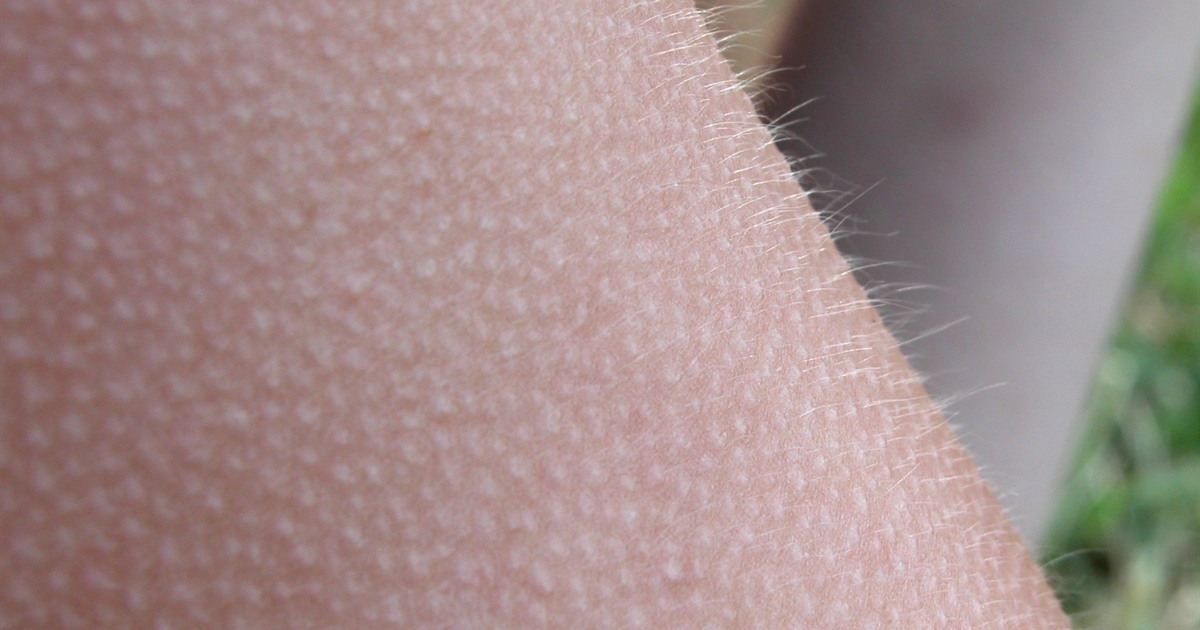
Why music can trigger goosebumps, what the chill response reveals about the brain, and why not everyone feels it.
Read more →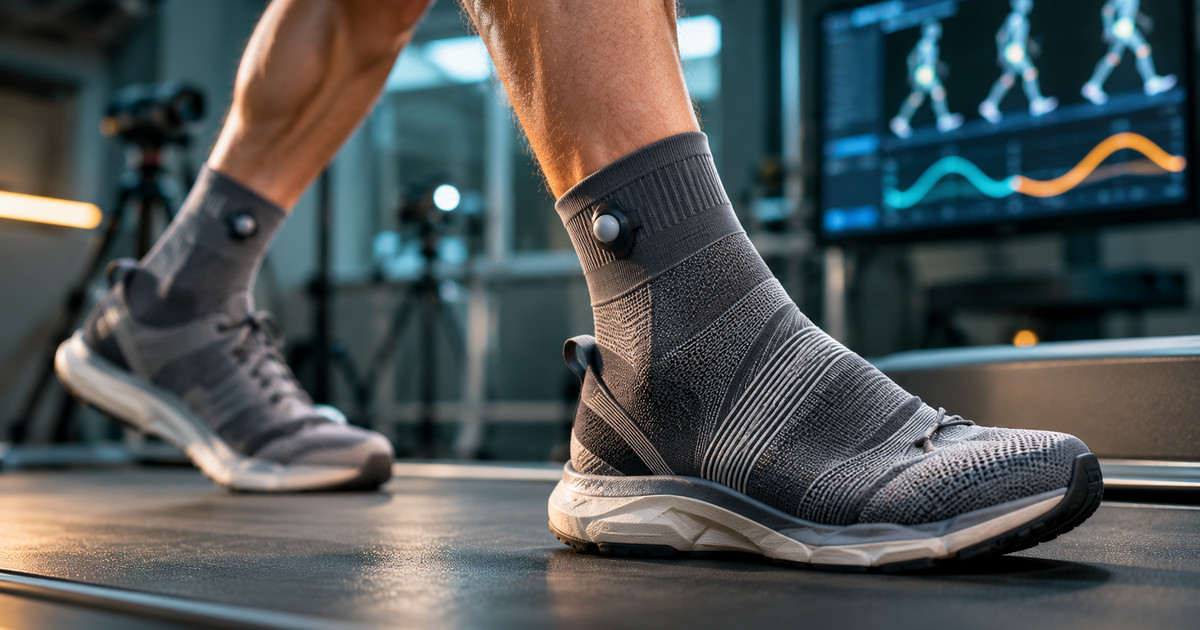
Experimental socks cut the energy cost of walking by about 2% in 12 adults. Discover how foot stiffness changes muscle work—and why it is too early to buy.
Read more →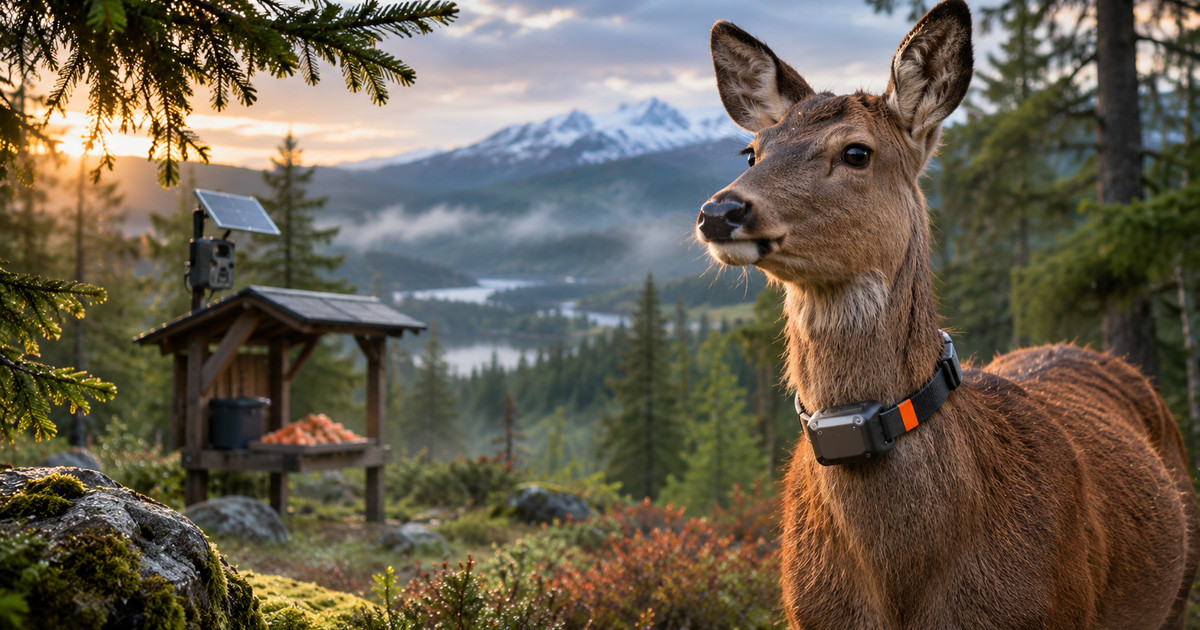
A new method lets deer and foxes acquire GPS collars without capture. Here is the mechanism, its ethical promise, and the risks scientists must still test.
Read more →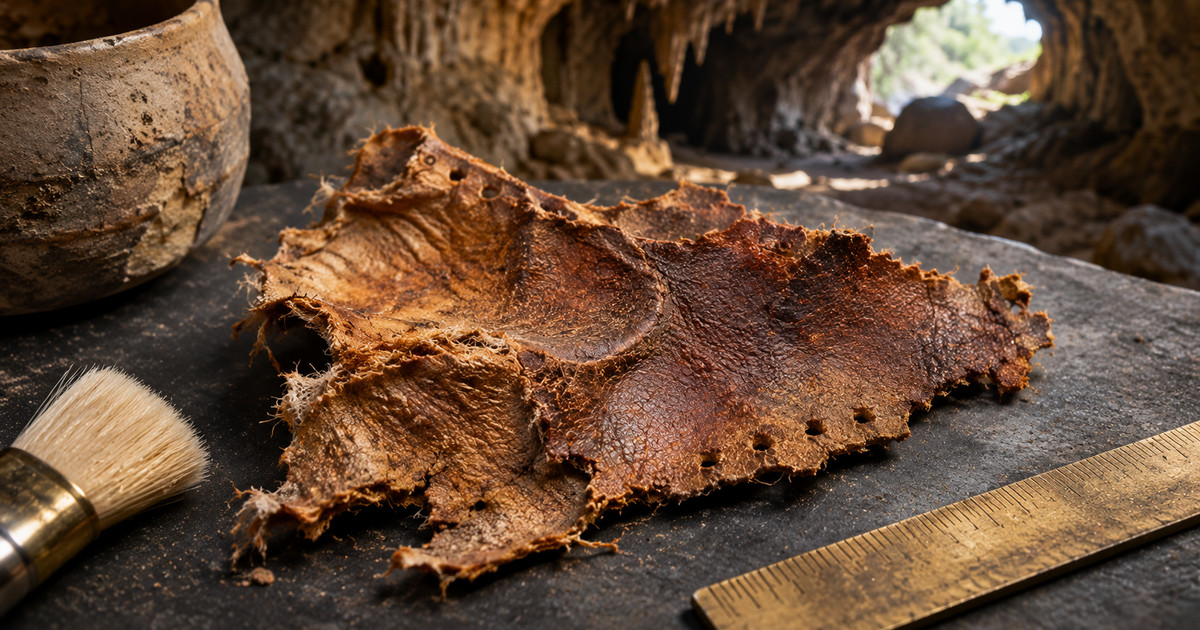
Ancient leather from a Spanish cave still held goat DNA after 7,000 years. The finding reveals clues about early farming and the limits of one sample.
Read more →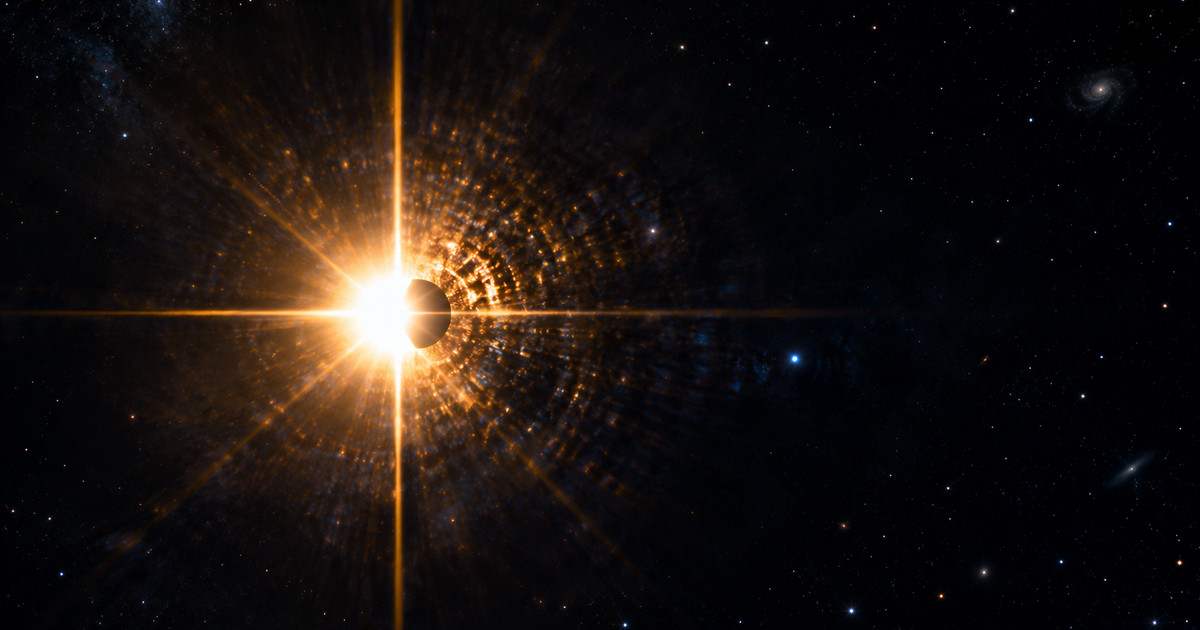
A new method revealed a known planet in Webb images that previously showed nothing. Why the advance is about better analysis, not a new telescope.
Read more →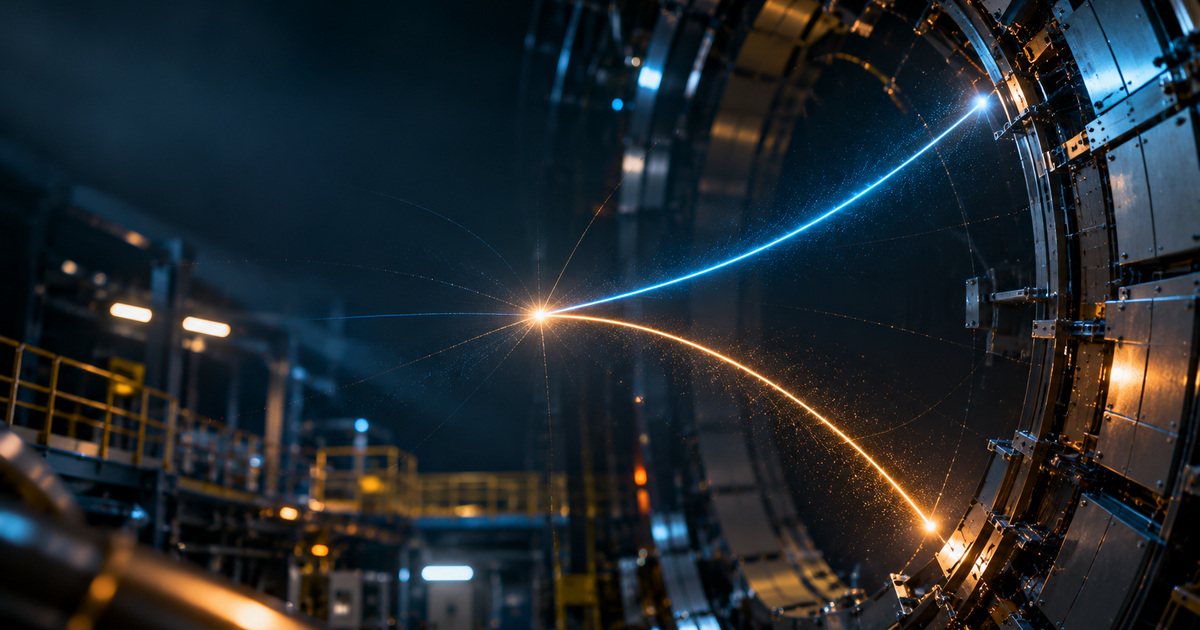
After 40 years, CERN’s LHCb experiment has found evidence of an ultra-rare particle decay. What does 3.2 sigma mean—and why could it reveal new physics?
Read more →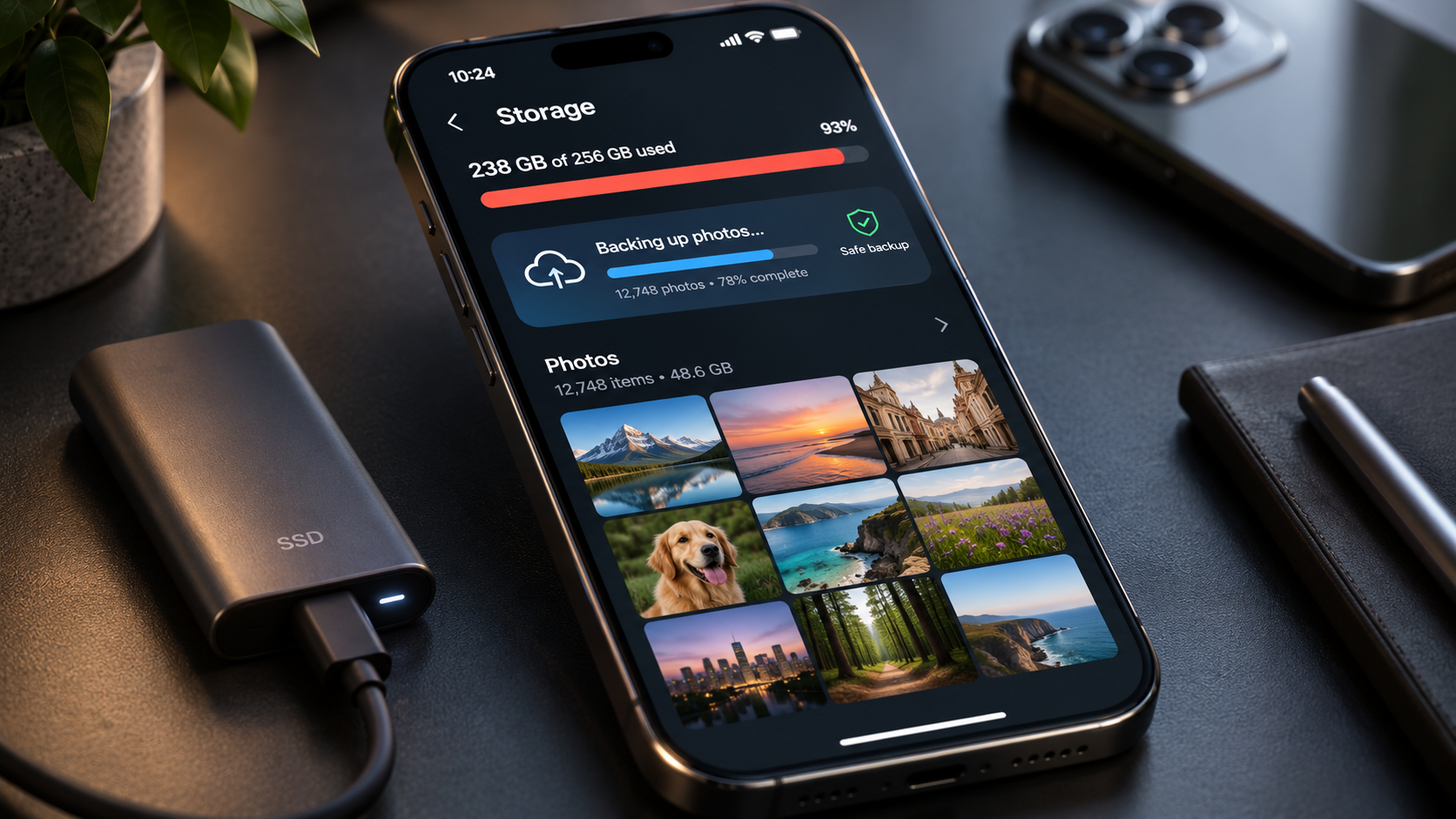
Phone storage full? Follow seven safe Android and iPhone cleanup steps to remove downloads, manage apps, and protect your photos from accidental deletion.
Read more →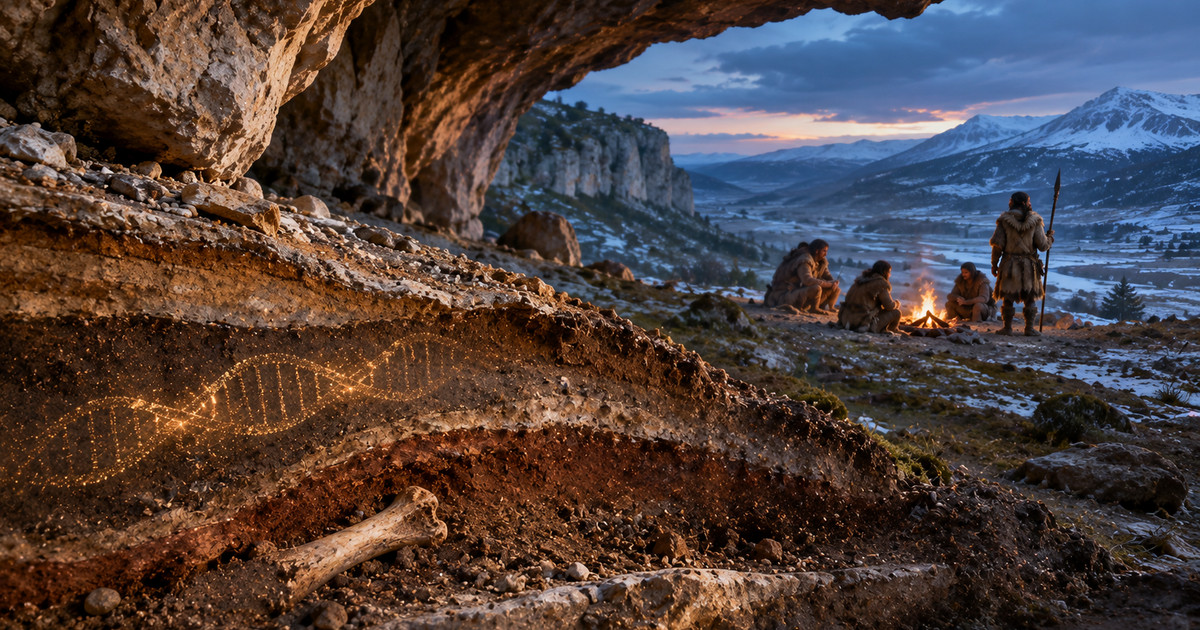
Ancient DNA from French bones and Spanish cave soil reveals surprising Ice Age connections, population continuity, and the limits of genetic evidence.
Read more →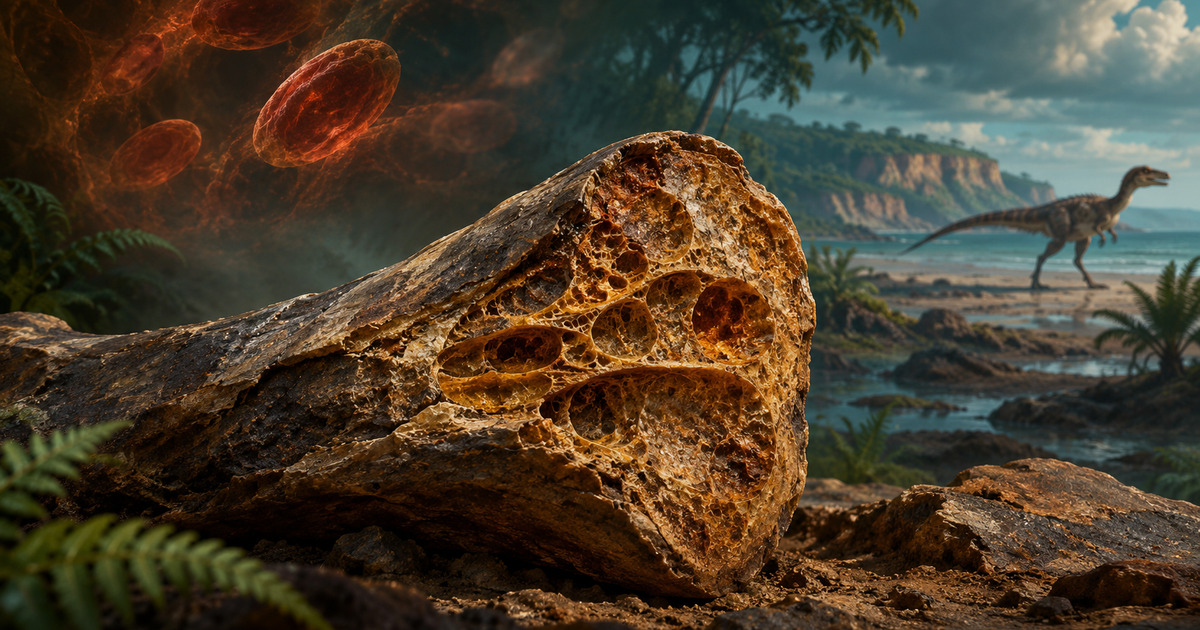
Scientists found heme-related traces inside a 115-million-year-old dinosaur bone. Explore what the evidence shows—and why experts disagree.
Read more →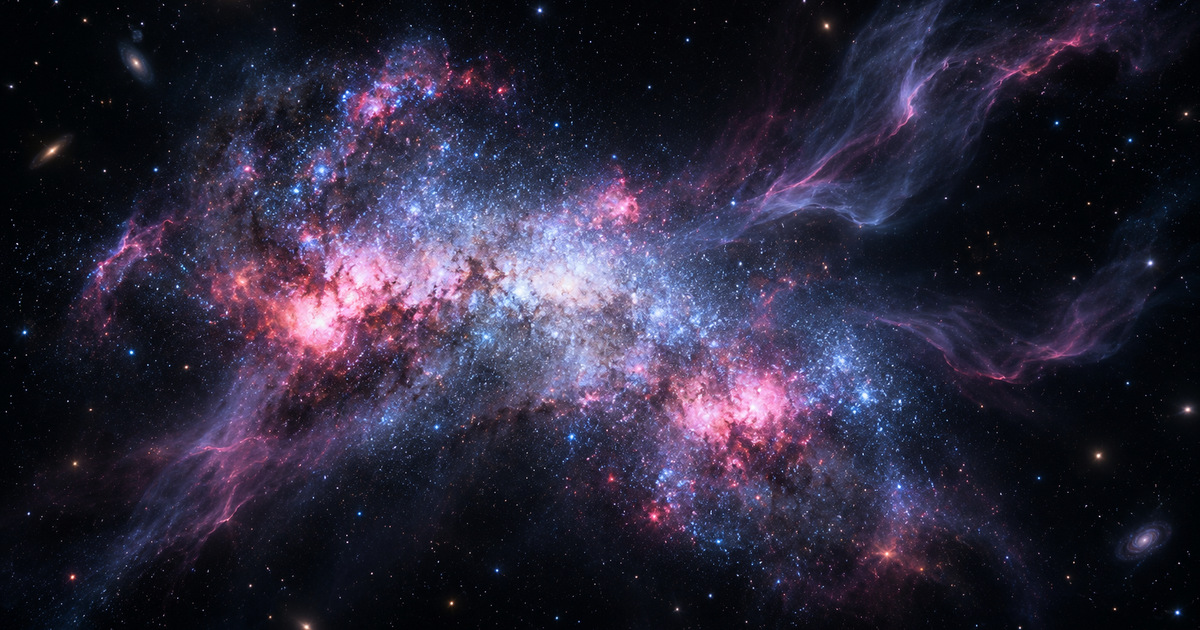
Hubble data reveal 37 dwarf galaxies retain just 4–25% of the oxygen their stars made. Discover how supernova winds may carry it away.
Read more →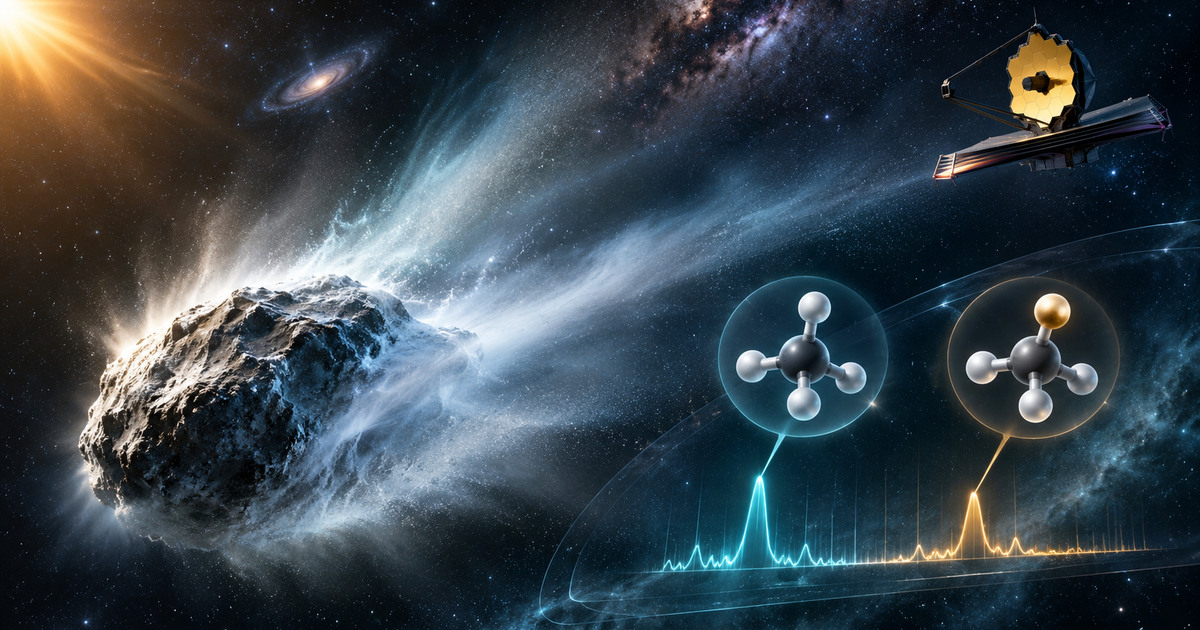
Webb found methane unusually rich in heavy hydrogen on interstellar comet 3I/ATLAS. What does it reveal about the comet's icy origin?
Read more →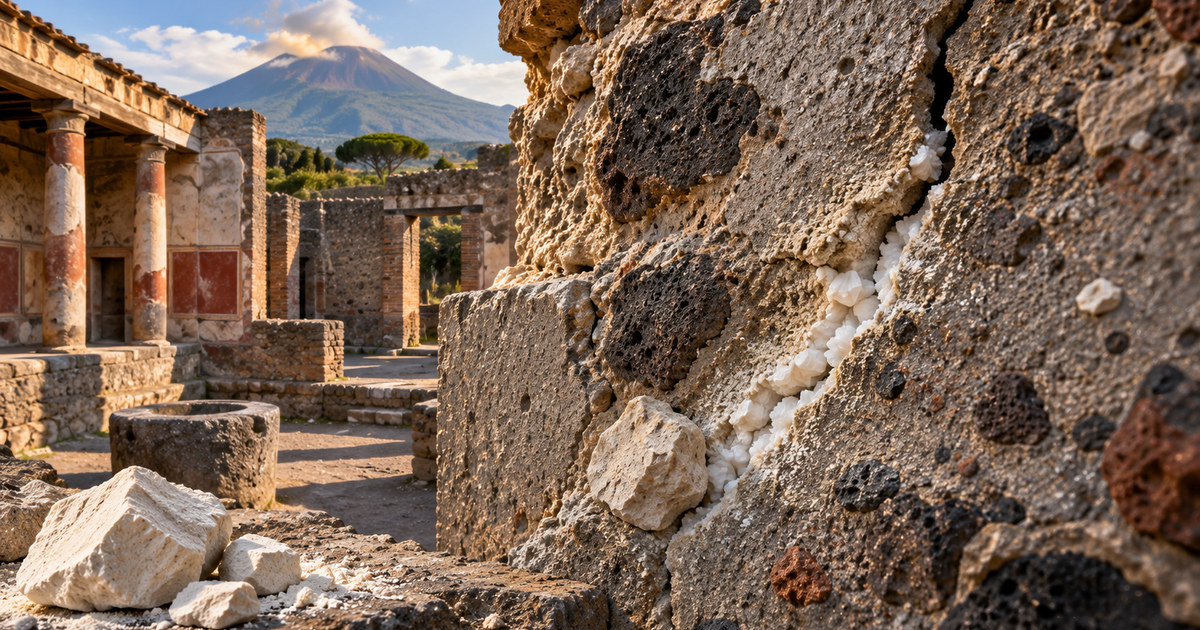
How can Roman concrete seal small cracks? Discover the chemistry of hot-mixed lime, a Pompeii construction site, and what experiments actually prove.
Read more →
Why does the ocean sometimes glow white at night? Explore the bacteria, satellite evidence, and unanswered mysteries behind rare milky seas.
Read more →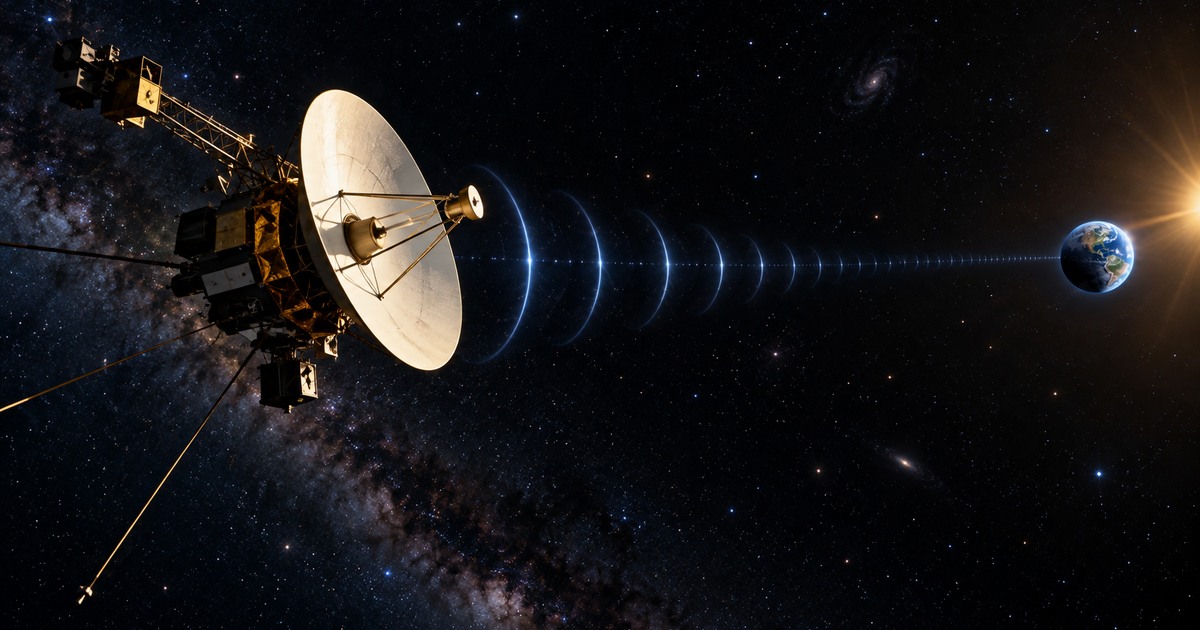
Voyager 1 is nearing one light-day from Earth. Here is how NASA sends commands, hears faint signals, and responds when a spacecraft goes silent.
Read more →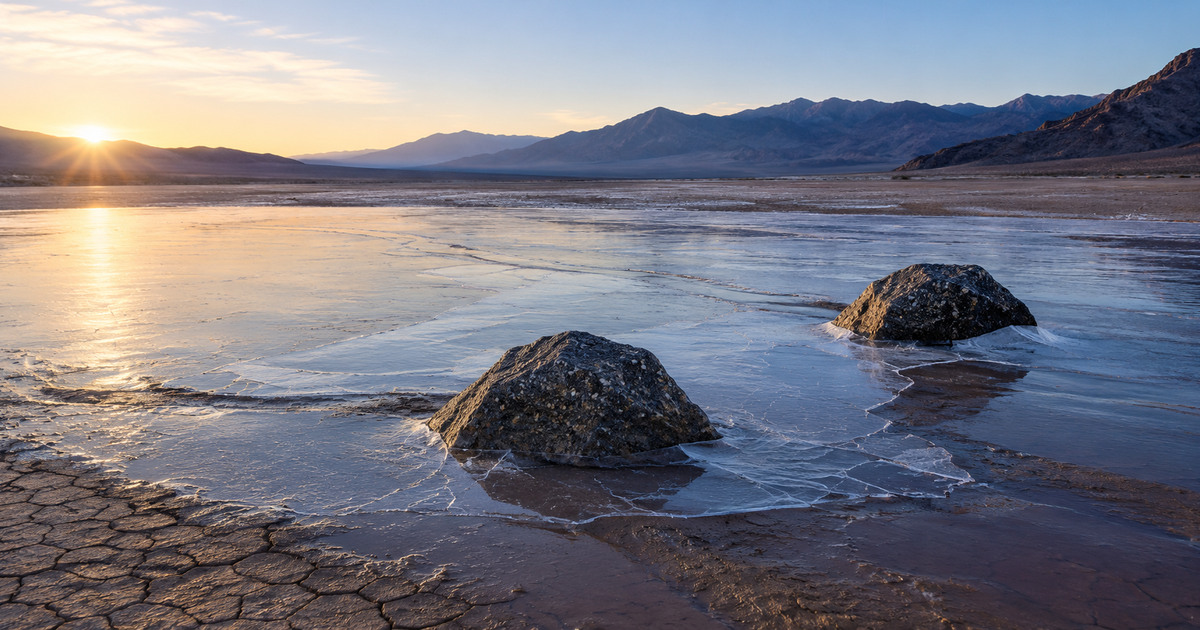
In Death Valley stones carve long trails across a dry lakebed. Scientists finally watched them move, and a few millimetres of ice explain it.
Read more →
In 1986 an invisible cloud from a lake in Cameroon killed more than 1,700 people. Here is how a lake stores lethal gas and how the danger was reduced.
Read more →
AI can explain complex ideas and still invent convincing facts. Here is why language models do it, and how to verify what they claim.
Read more →
Walked into a room and forgotten why? Scientists study the doorway effect—but newer experiments reveal it is not as simple as a door erasing your memory.
Read more →
In 1816, summer frosts ruined crops and cold rains gripped Europe. The trail leads to a colossal Indonesian volcano—and a veil of sulfur high above Earth.
Read more →
AI helped rediscover 33 overlooked atom-thin MXenes and made new materials in the lab. Overlooked old research may still hold tomorrow's discoveries.
Read more →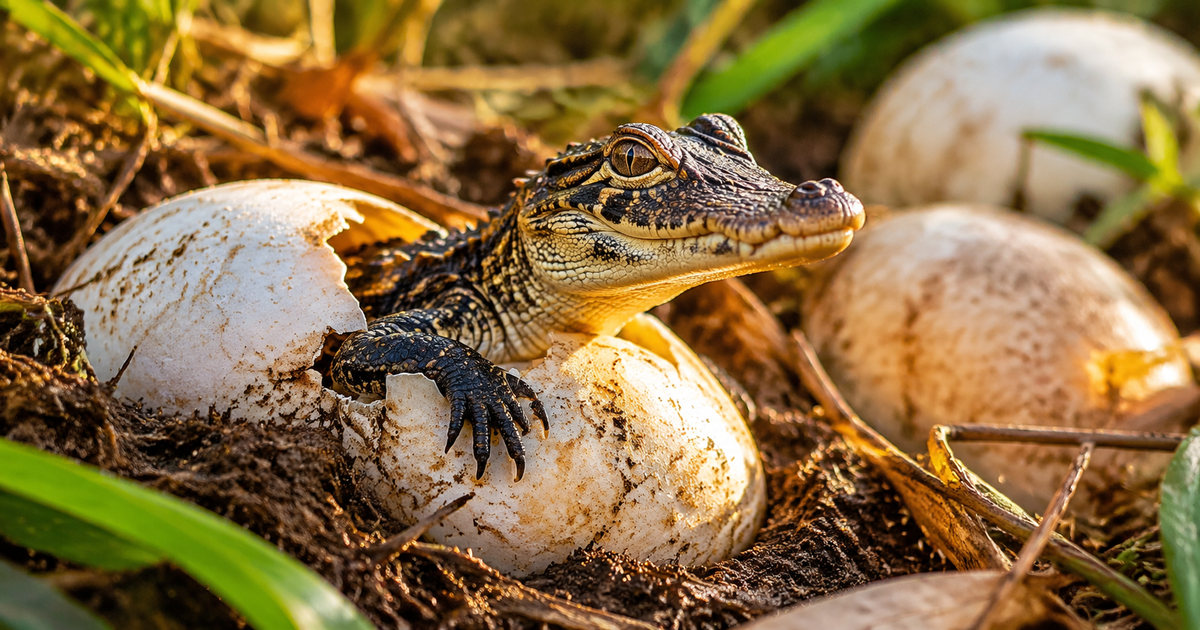
Egg temperature decides whether an American alligator is male or female. A new study shows why daily heat swings shift the prediction.
Read more →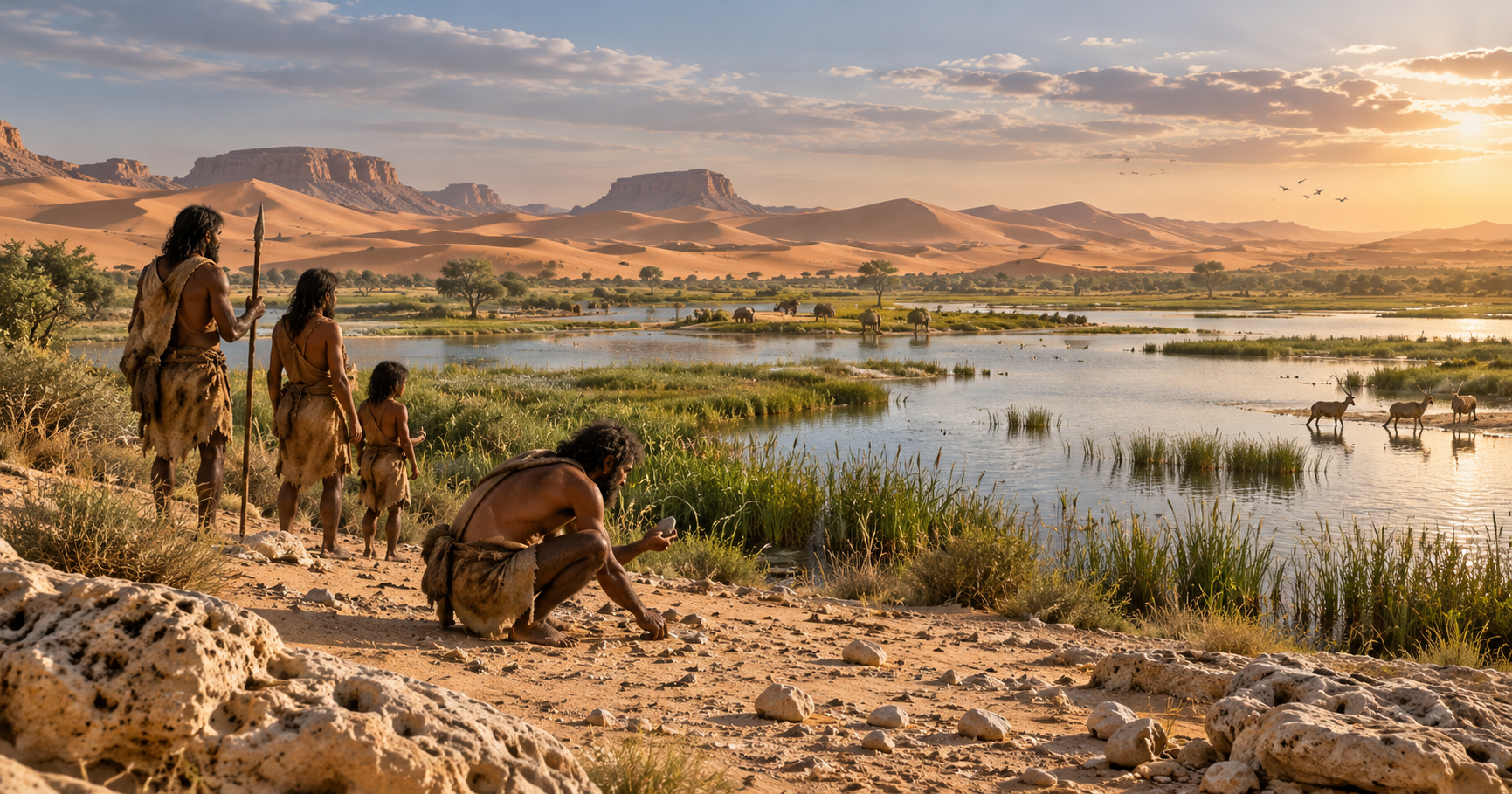
Freshwater alone may not have drawn prehistoric people into Arabia's Empty Quarter. They also needed stone for tools, new research suggests.
Read more →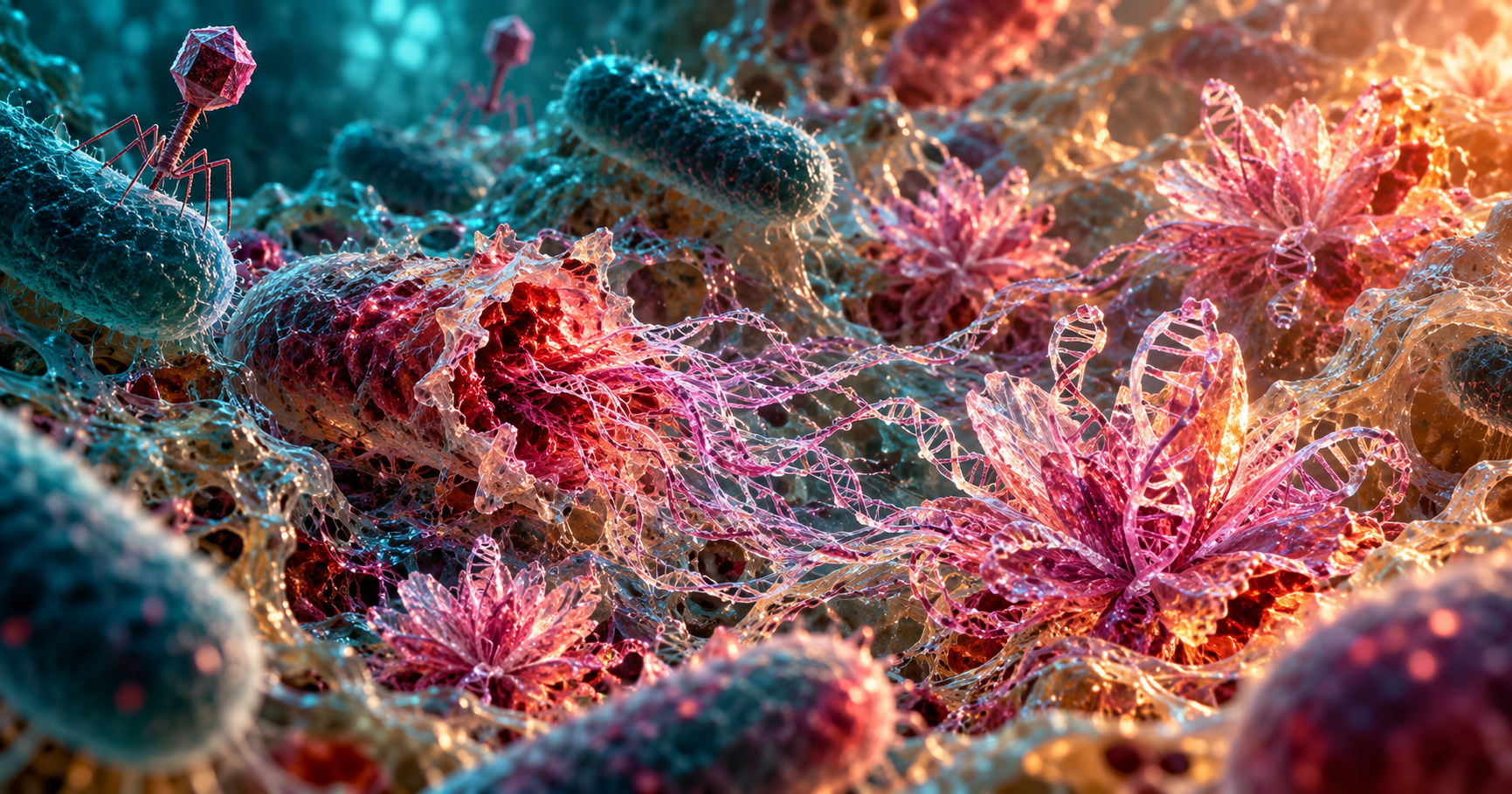
Some bacteria keep making DNA after they die. Researchers at Aarhus University explain what happens in the biofilm and why the result is so strange.
Read more →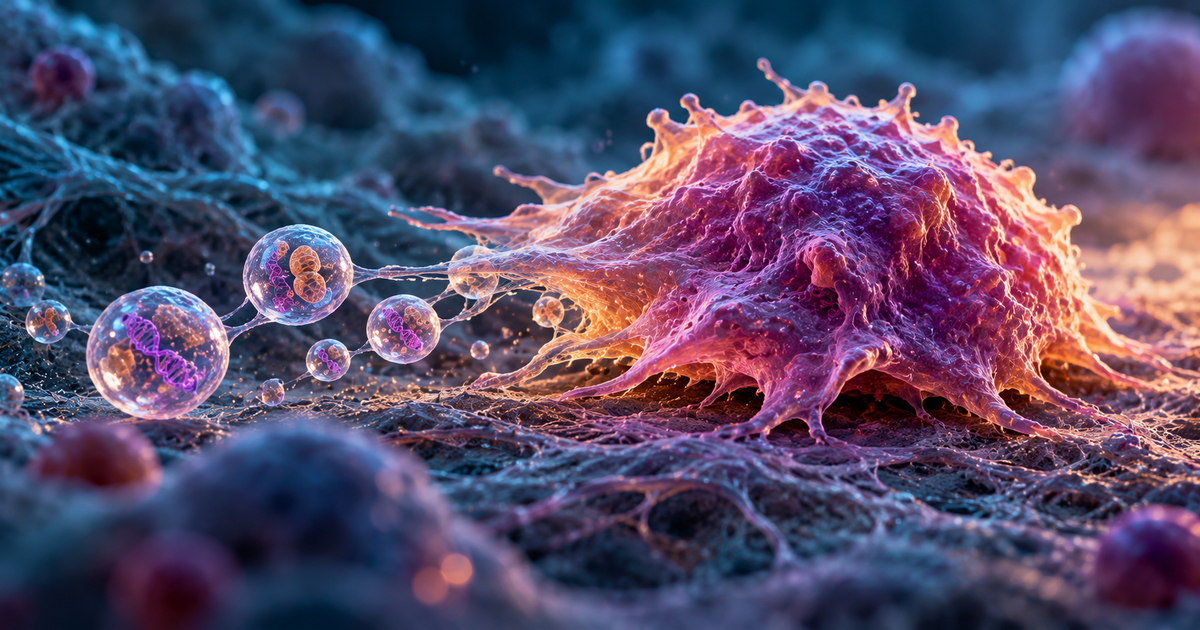
Scientists found motile vesicles: tiny packages shed by moving cancer cells that carry DNA. Here is what that reveals, and what it does not yet prove.
Read more →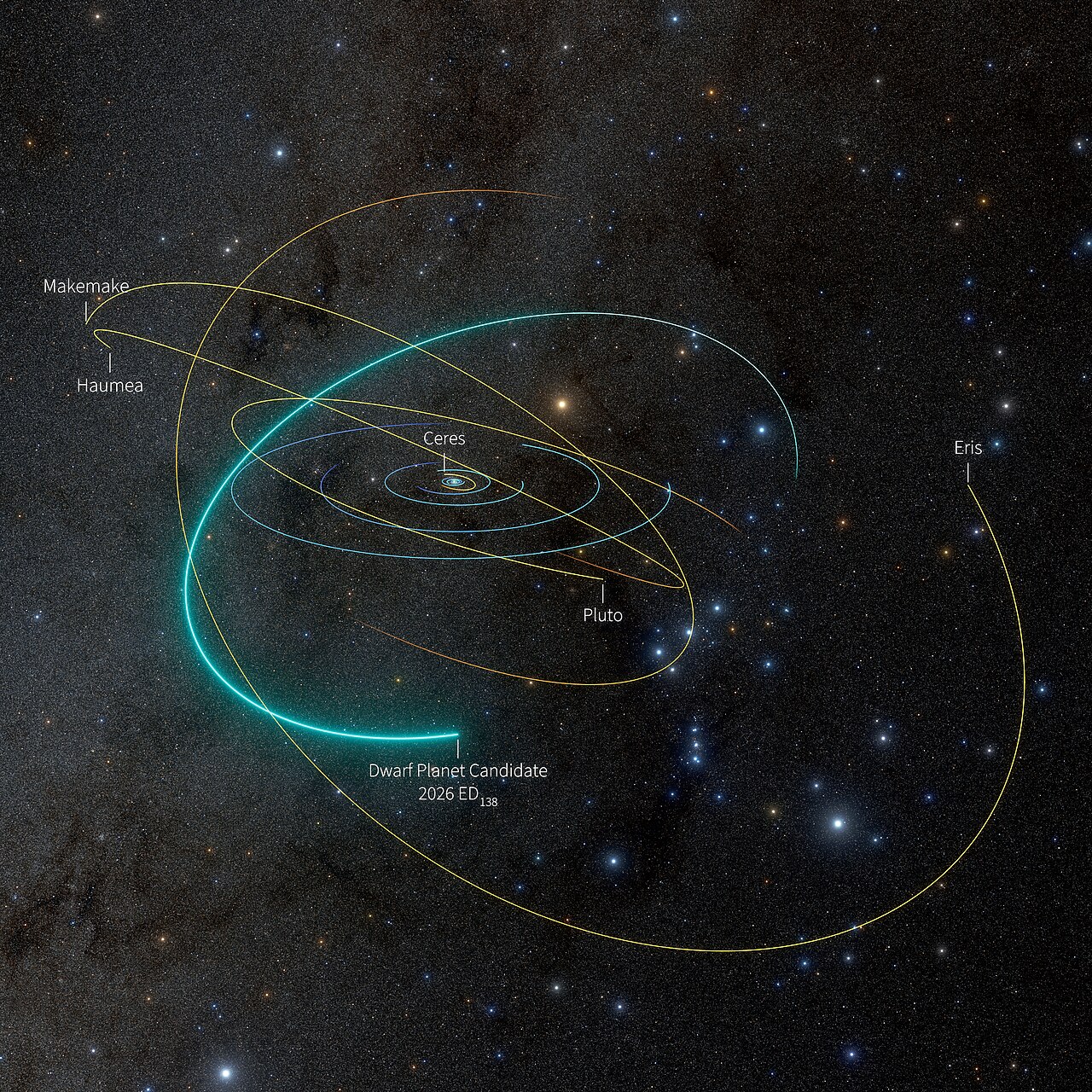
Astronomers found 2026 ED138 beyond Pluto, then spotted it in images taken in 2016. Here is how telescopes, algorithms and old data reveal hidden worlds.
Read more →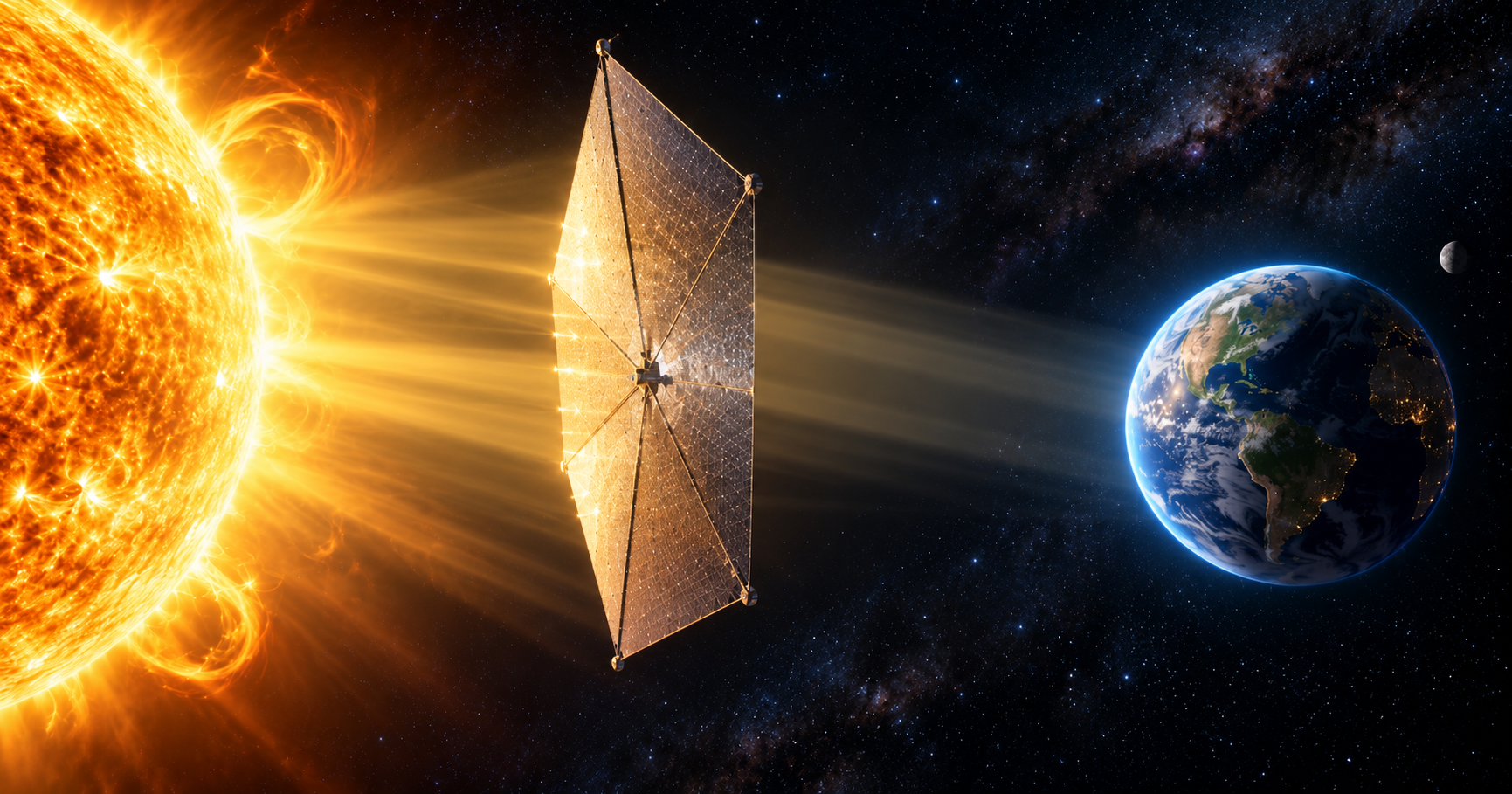
A giant sunshade near the Sun-Earth L1 point could reduce incoming sunlight. Here is what scientists actually propose and why the idea stays controversial.
Read more →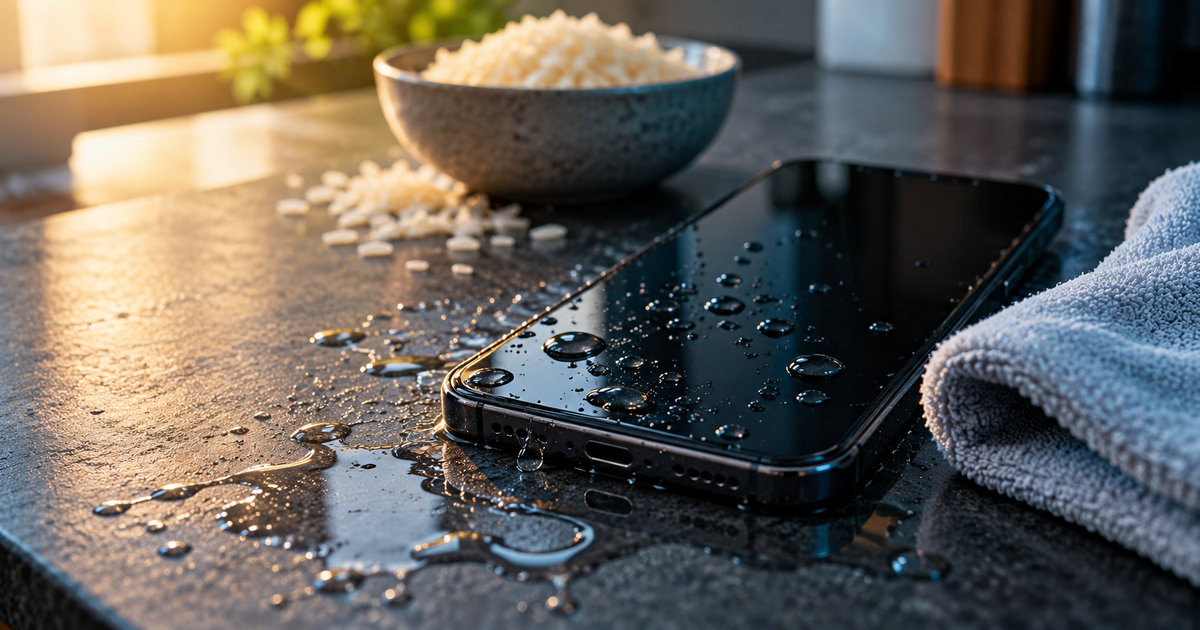
Rice does not fix a wet phone. Learn what actually helps after a splash, why the charging port matters and when you need professional repair.
Read more →
OpenAI and Anthropic say their AI systems challenged a 27-year-old assumption about computer speed. What did they prove, and why are scientists still checking?
Read more →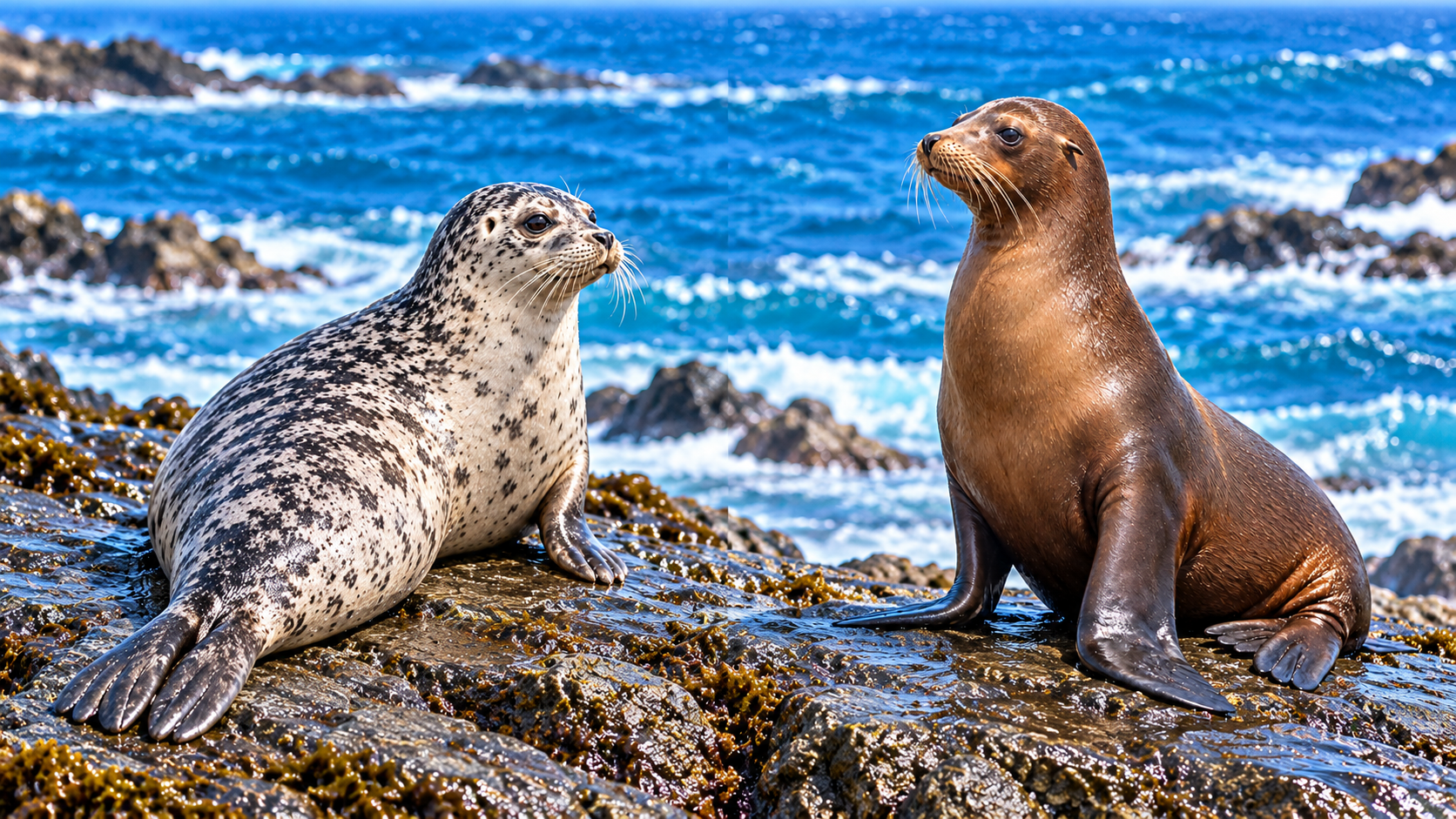
Seals and sea lions look alike at first. Start behind the eye, then compare the front flippers and how each animal moves to tell them apart.
Read more →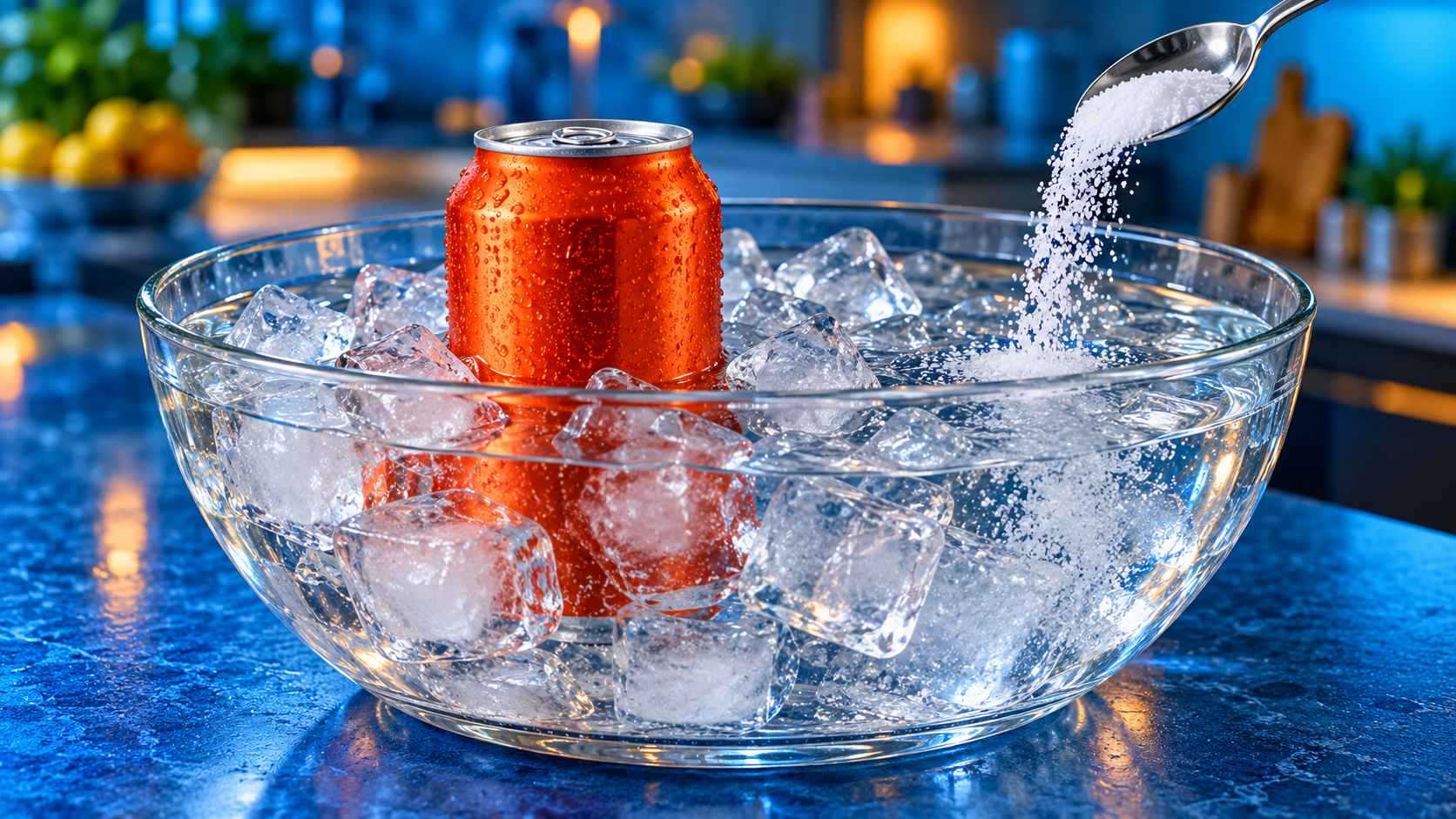
Cold water fills the gaps between the ice and salt lowers the freezing point. Together they chill a drink far faster than ice alone.
Read more →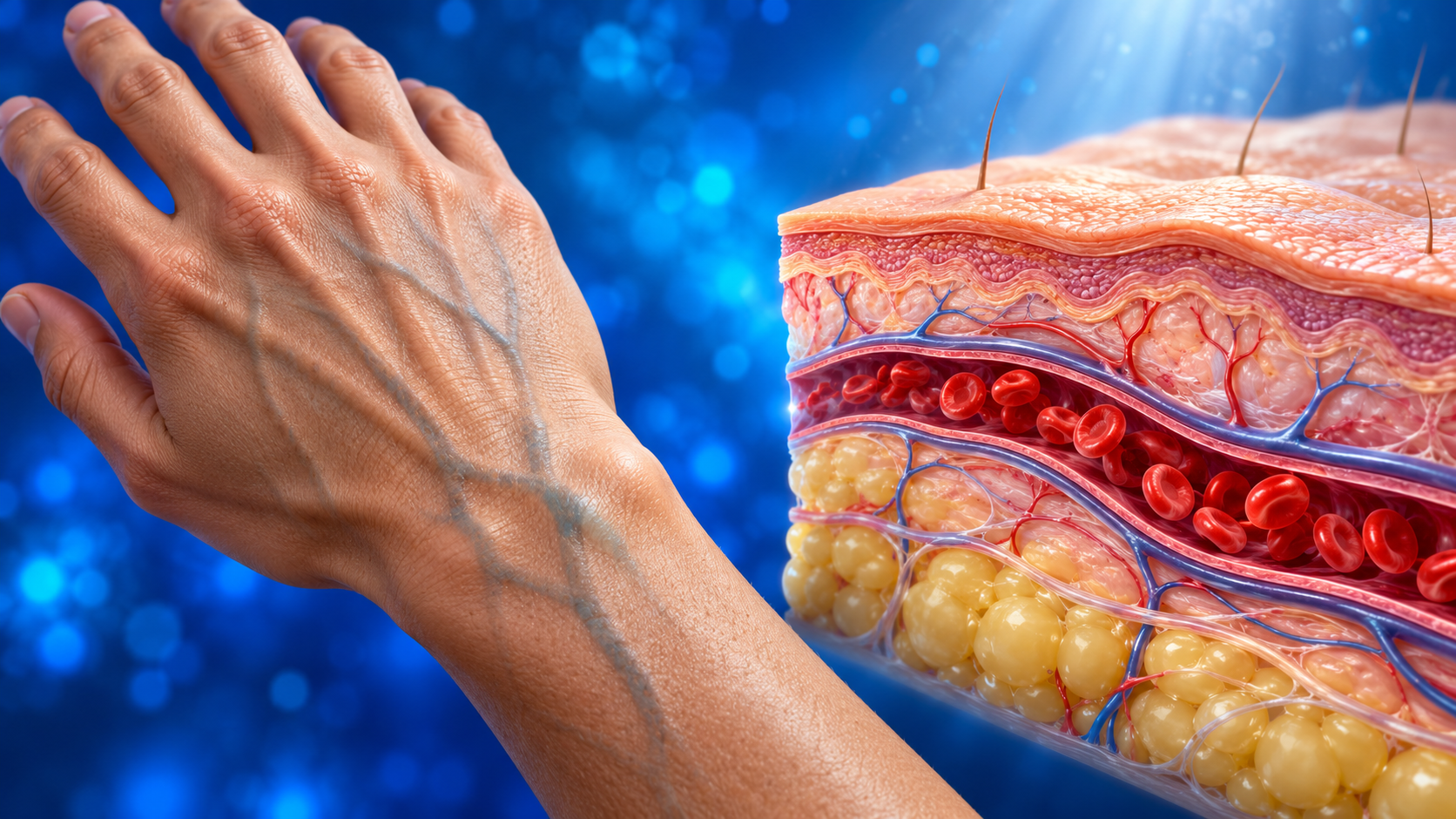
Veins are not blue and blood is not blue. Skin tone and lighting shape the color you see. Why the same vessels can look blue, green or in between.
Read more →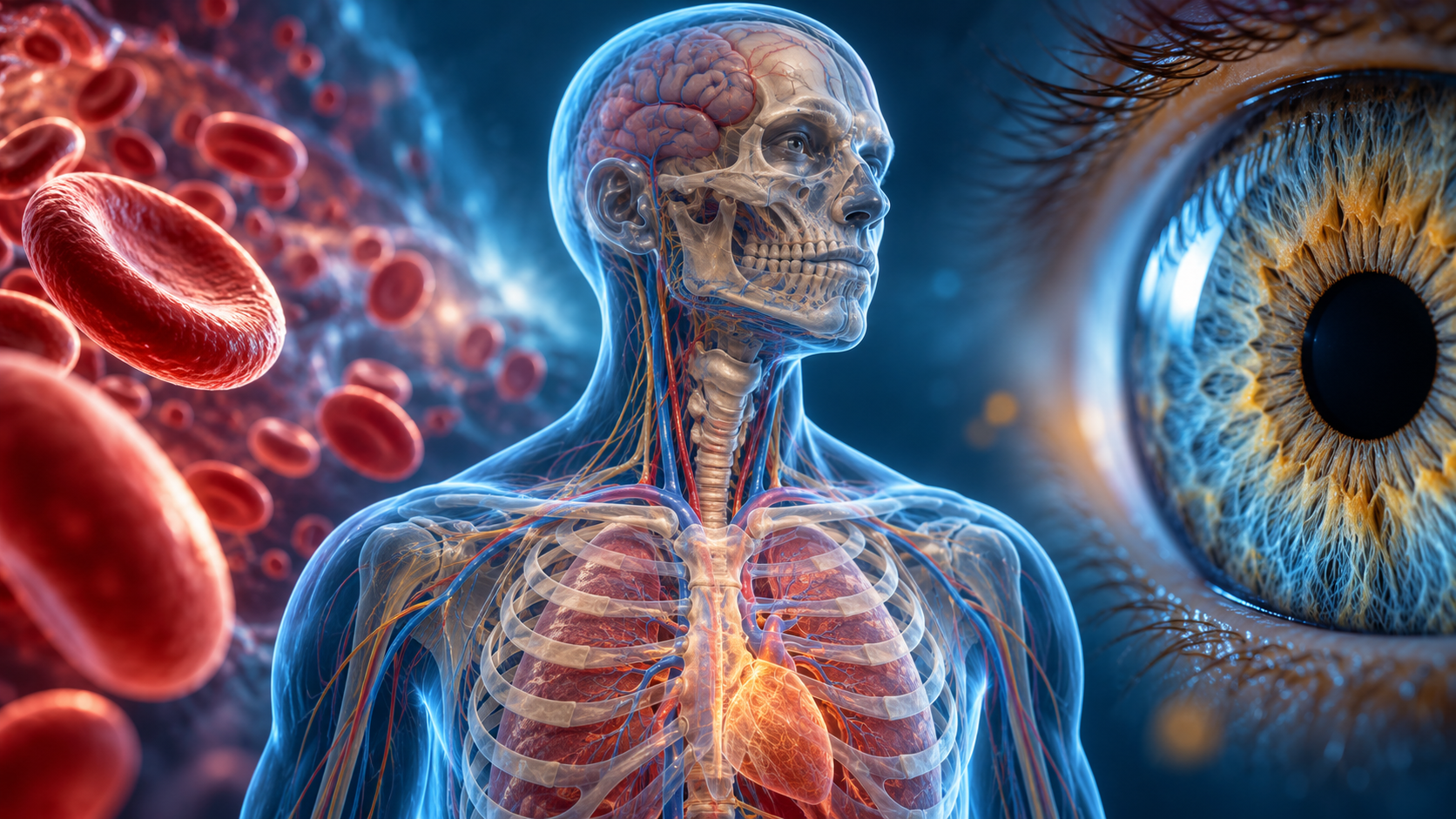
You can recognize your own face and still not know your largest organ. Familiarity is not understanding, and a short body quiz makes that clear.
Read more →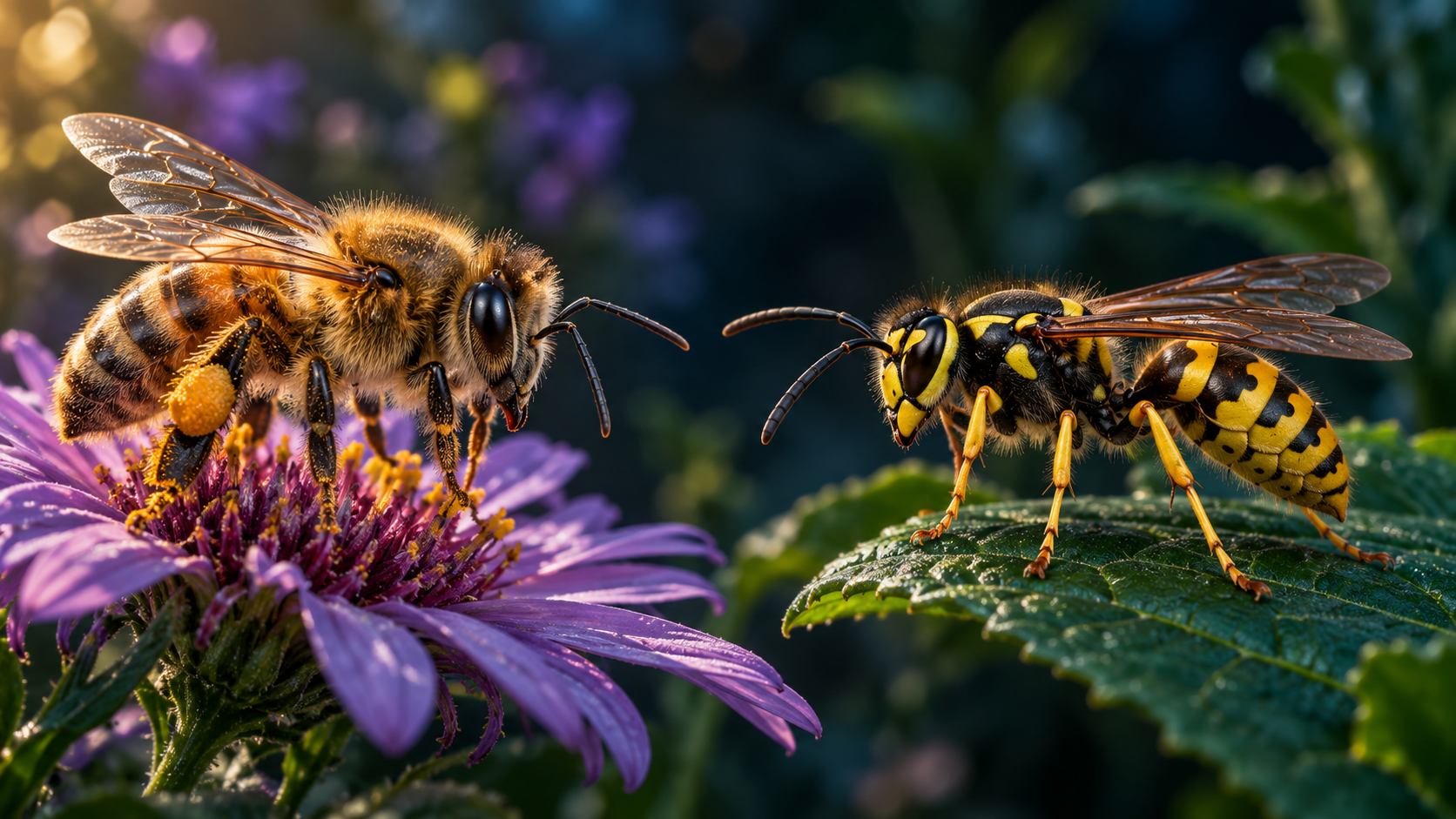
Color alone will not tell a bee from a wasp. Body covering, hind legs, resting wings and feeding habits give a far more reliable answer.
Read more →
A thin soap film changes how water condenses on glass, leaving a smoother layer that stays easy to see through after a hot shower.
Read more →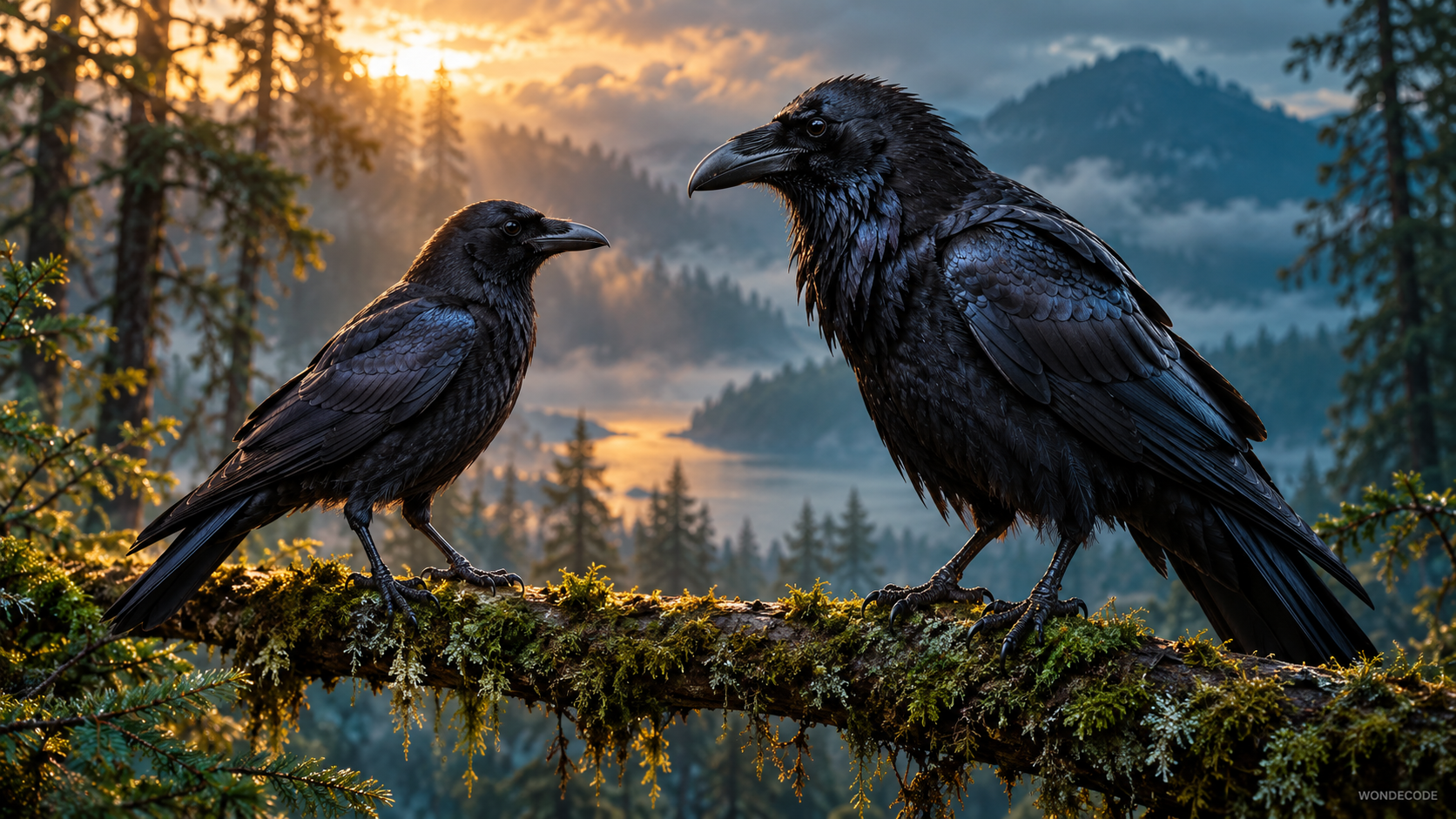
Size, bill shape, tail shape and voice separate American Crows from Common Ravens. Combining all four clues gives the most reliable answer.
Read more →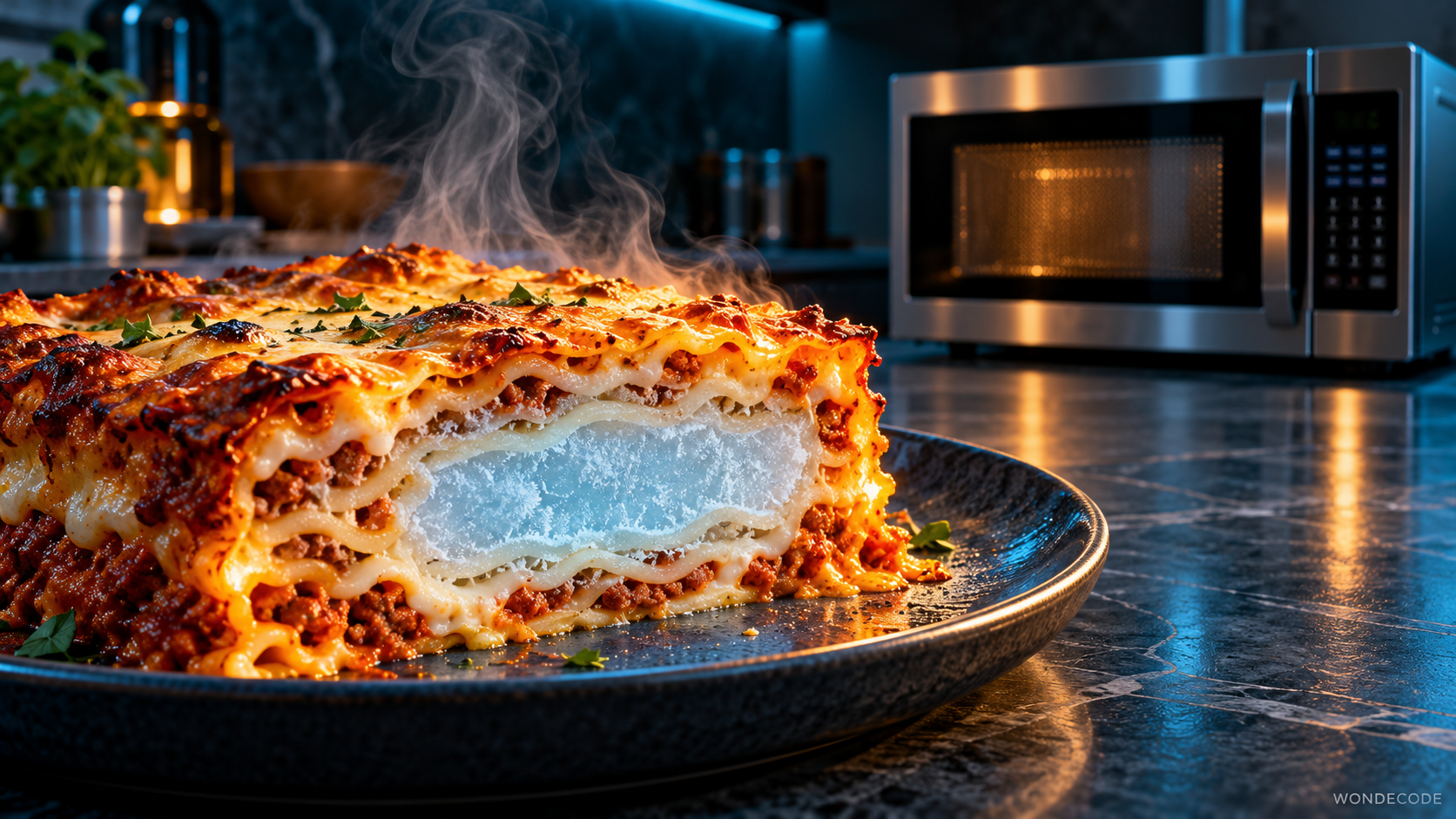
One bite is scorching and the next is cold. Microwaves heat a meal unevenly and heat takes time to spread. Why stirring and standing time still matter.
Read more →
A small switch changes your ceiling fan's direction. Set it down for a cooling breeze in summer, up to recirculate warm air in a heated room.
Read more →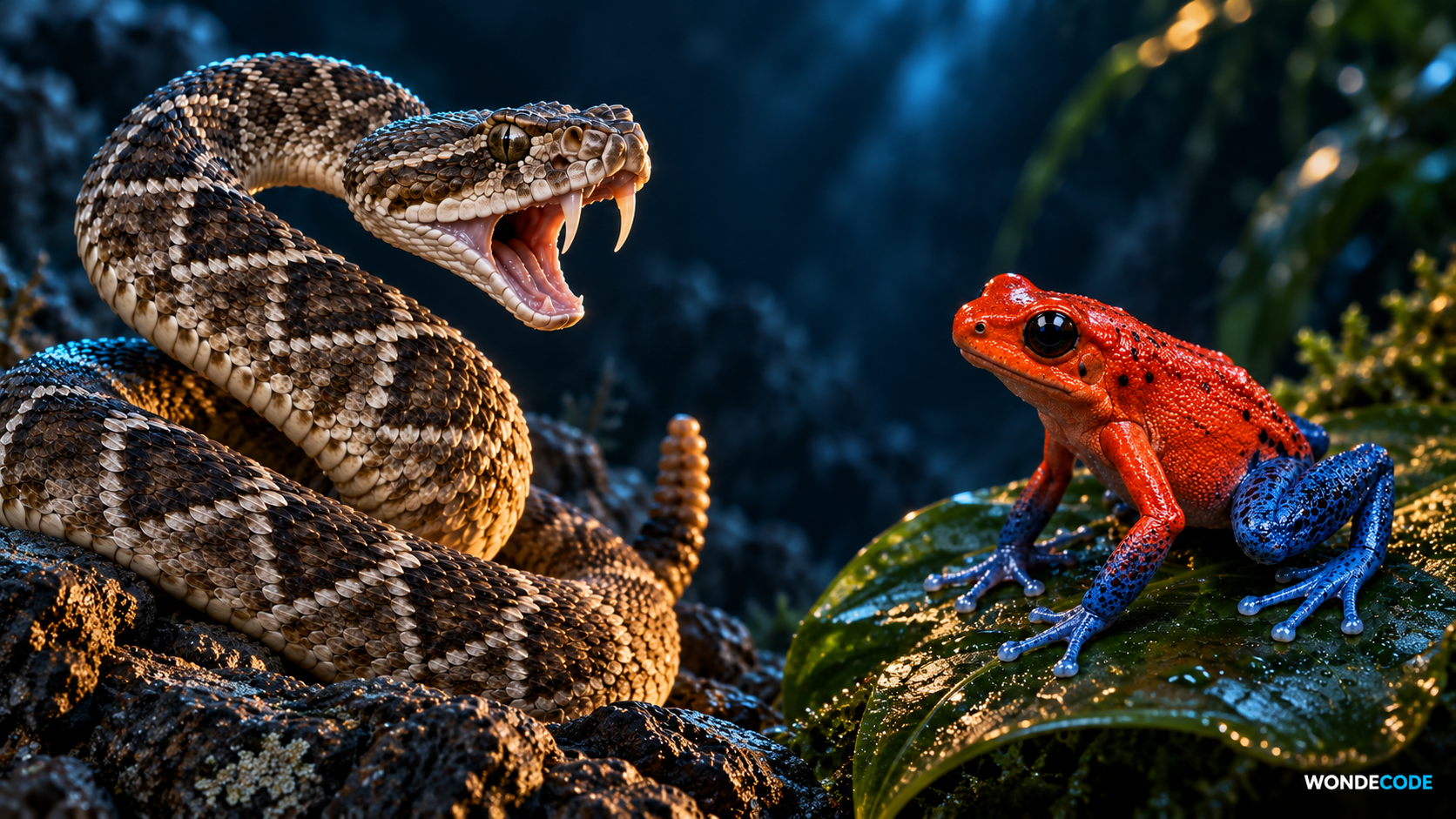
Venom is injected through fangs while poison is carried on skin. The real difference is how the toxin enters the body: through a wound, or not at all.
Read more →
Water makes burning oil worse by throwing it into the air. Turn off the burner, slide a metal lid over the pan from the side, and leave it covered until cool.
Read more →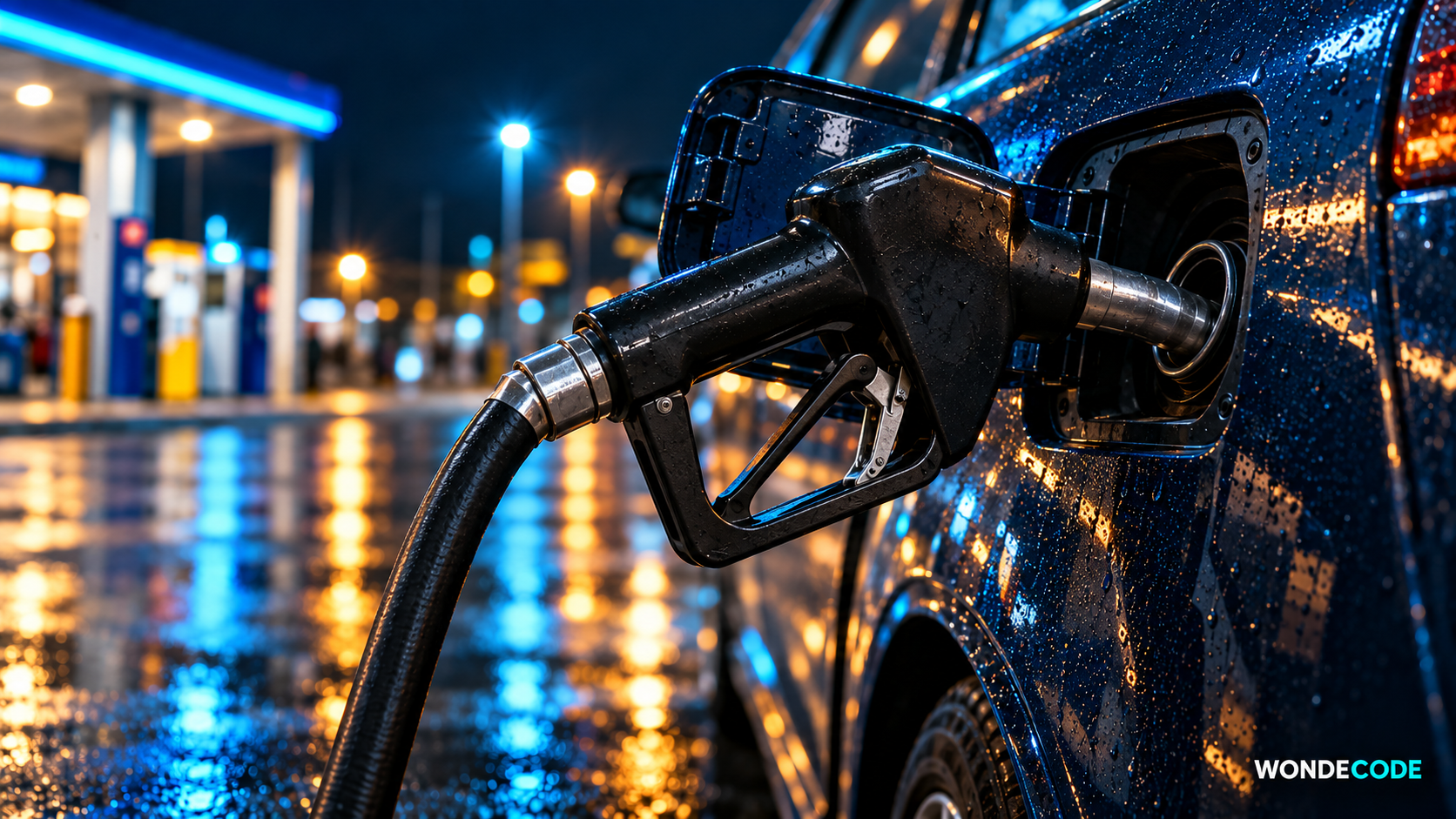
A gas pump never measures your tank. It senses a hole at the nozzle that fuel covers, which clicks the handle off. Why foam triggers it early.
Read more →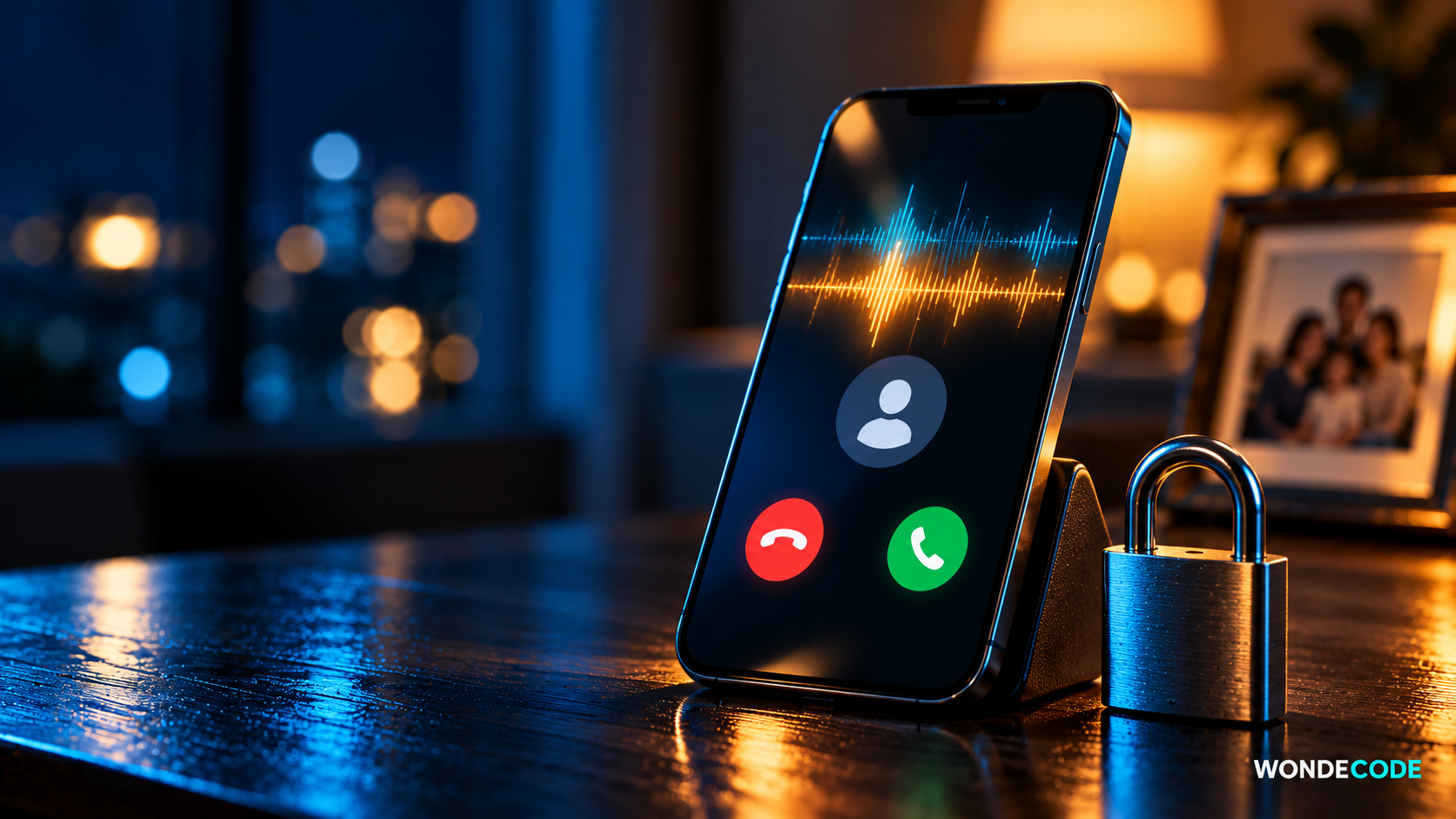
A short clip of audio can fake a familiar voice. Here's how a family safe word works, where it falls short, and why calling back still matters.
Read more →
Most account takeovers aren’t hacks. Phishing asks instead of breaking in — here’s how the trick works, and what to do when a message asks you to log in.
Read more →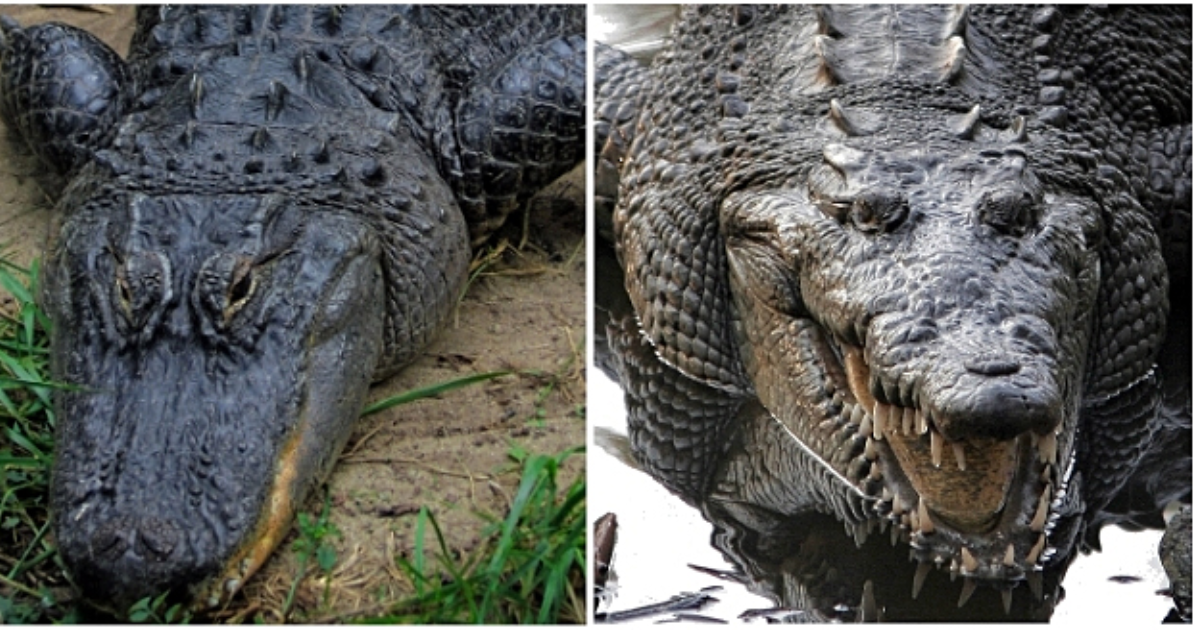
How to tell an American alligator from an American crocodile: compare snouts, the fourth tooth, salt glands, and the habitats each species prefers.
Read more →Latest: Nov 9, 2026